Song Meaning
Kiko Veneno's "Fuego" isn't just about lust; it's about the all-consuming nature of obsession, framed within a world tilting towards ecological and societal collapse. The opening lines, "Fuego en el monte de Venus / Y yo me voy a quemar," immediately establish a carnal inferno, a desire so intense it threatens self-immolation. But the subsequent realization that "no hay agua en el mundo / Que lo pueda apagar" elevates this from simple longing to an unquenchable thirst, a primal need that supersedes reason. The "Monte de Venus" (Venus mountain) is a poetic reference to the female body, representing not just physical attraction, but also the idealized vision of the beloved.
The recurring motif of fire extends beyond the personal, hinting at wider anxieties. "Humo, están echando humo las flores / Las flores de tu jardín" suggests a corrupted Eden, a beauty tainted by some unseen toxicity. This imagery bleeds into the urban landscape: "Caminando distraído / Los semáforos ardiendo." The world is ablaze, and the speaker, lost in thought, is either oblivious or resigned to the chaos. The lines "Ni con agua en los bolsillos / Se me enfría el pensamiento" emphasize the futility of logic or moderation in the face of overwhelming passion and impending doom.
Veneno's commentary takes a sharp turn with the lines, "No llames a los bomberos / Que no van a llegar a tiempo / Antes, cuando había bosques / No hacían falta los teléfonos." This isn't merely about a personal crisis; it's a lament for a lost connection to nature and a critique of modern solutions that are ultimately inadequate. The absence of forests necessitates telephones (a symbol of technology), yet neither can extinguish the encroaching flames. "Fuego" becomes a potent metaphor for unchecked desires and environmental degradation, leaving the listener to ponder the personal and planetary consequences of a world consumed by fire.
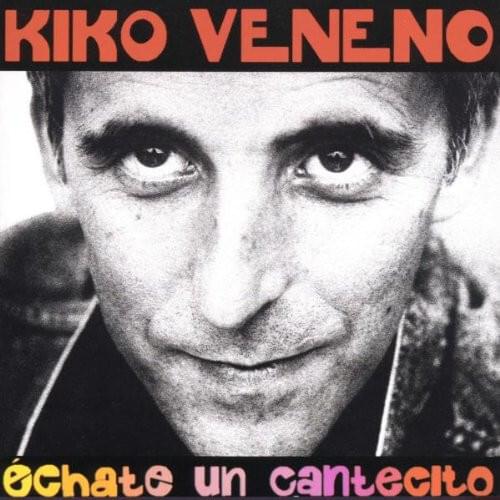
 View Artist