Song Meaning
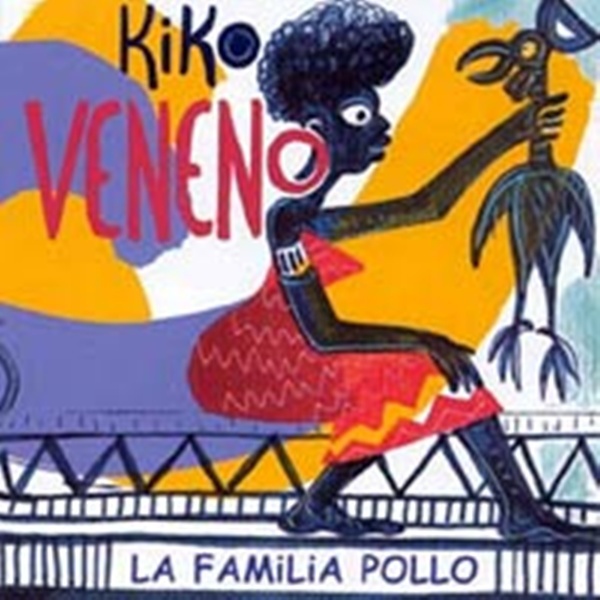
Kiko Veneno's "Feos" ("Ugly Ones") is a cynical, streetwise rejection of performative activism and a searing indictment of systemic corruption. The track's power lies in its blunt, almost conversational delivery, cutting through layers of hypocrisy with a sneer. Veneno isn't interested in joining your NGO or playing the identity game. He's calling out a deeper ugliness – the kind that hides behind good intentions and bureaucratic facades. The refrain, "Feos, yo creía que mis pollos eran feos / Pero más feos son los pollos europeos / Que tiran bombas sin venir a qué," is particularly brutal, contrasting personal flaws with the infinitely greater ugliness of geopolitical violence perpetrated by those in power.
The song's second verse digs into the character of the 'do-gooder,' the one who wears their empathy on their sleeve ("Chaqueta lana, vas dando pena"), desperate for validation and easily manipulated. They perform their assigned tasks diligently, unaware that they're just cogs in a larger, dirtier machine. This is where "Feos" transcends simple political commentary; it's a psychological portrait of those who seek meaning in external validation, ultimately becoming complicit in the very systems they claim to oppose.
The final lines about Kashoggi (likely referring to Jamal Khashoggi) serve as the ultimate punchline. Veneno initially thought of him as a mere trafficker, but concludes that he's just a fall guy (“un pringao”). The real traffickers, the "auténticos elegantes," are the presidents and ministers, the ones who operate with impunity under the guise of authority. In "Feos," Kiko Veneno isn't just pointing fingers; he's dissecting the anatomy of ugliness, exposing the rot that festers at the core of power structures and the individuals who enable them.
 View Artist