Song Meaning
Kiko Veneno's "En Un Mercedes Blanco" isn't just a song; it's a vignette of faded glory and societal judgment, delivered with a wink and a melancholic shrug. The titular white Mercedes becomes a symbol, not of triumph, but of a past that haunts the present. The protagonist, arriving "at the cattle fair," already signals a descent from grace – a king among commoners, or perhaps a has-been celebrity returning to a world that's moved on. The "ten duros of aluminum foil" hint at a superficial, even pathetic, attempt to recapture a lost shine. This isn't wealth; it's a cheap imitation reflecting a distorted image. The repeated line, "And the sky has lit up," could be sarcastic or genuinely wistful, a fleeting glimpse of what once was, now barely flickering. The loss of memory, traded to a "duende" for a moment of glory, speaks to the Faustian bargain inherent in chasing fame, where identity itself is the price.
The image of the man in the white Mercedes, now with a polka-dot handkerchief, followed by children yet always looking at the ground, paints a portrait of someone disconnected, perhaps ashamed. The children may represent a yearning for innocence or a reminder of what's been lost. The chorus, "What a pity, that boy!" sung by bar patrons distracted by slot machines, underscores the casual cruelty of observers. They see only the surface, the fallen star, not the internal struggle. The slot machines themselves are a metaphor for the capricious nature of fate and the fleeting chances people take, oblivious to the deeper tragedies unfolding around them.
The cryptic interlude of "three kings on a boat" carrying a secret adds another layer of intrigue. This could allude to historical figures, a biblical reference, or simply represent the weight of secrets and unspoken truths that accompany power and loss. The repeated request to play the tape until it breaks – "Ponme, ponme esa cinta otra vez" – is a desperate attempt to relive the past, to find solace in the familiar sounds of a time when things were different. The "bits of iron and chrome" suggest a longing for the tangible, the material reminders of a former life, a life the protagonist is trying to resurrect through memory and music. Ultimately, Kiko Veneno crafts a poignant commentary on the ephemeral nature of fame and the enduring power of societal judgment, all wrapped in a deceptively simple and haunting melody.
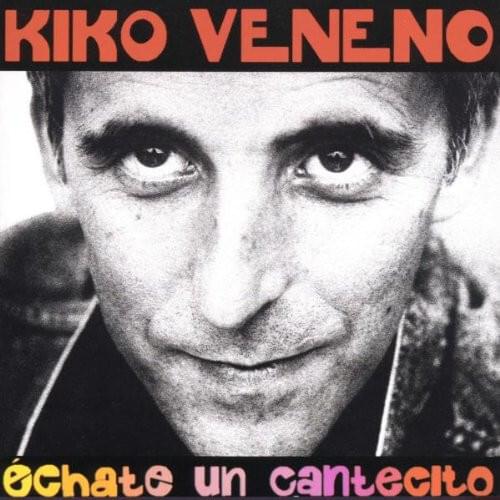
 View Artist