Song Meaning
The lyrics paint a picture of enduring devotion, starting with a hopeful vision of a shared future. The narrator imagines a life where dreams materialize and time spent together feels fleeting because of its joy. There's a sense of escalating affection, with each day bringing more care than the last, all set against the gentle passage of seasons. This initial optimism, however, is quickly met with a crucial question about the longevity of love.
The core tension arises from the narrator's earnest desire to promise "always" against an underlying uncertainty. The repeated question, "Then will my love linger on?" reveals a vulnerability, a need for reassurance that this deep feeling won't fade with time or changing circumstances. This isn't just a simple declaration; it's a plea for confirmation that the love is as permanent as the narrator wishes it to be.
The most striking craft element is the insistent repetition of "always." It's used not just as a descriptor of duration but as a promise, a shield against the potential impermanence hinted at by the seasonal imagery and the direct question. The structure emphasizes this by placing "always" at the end of phrases, giving it the final, emphatic word. The contrast between the idyllic "spring rolls by" and the potential "days may not be fair" highlights the commitment to remain present through both good and bad times.
This commitment is what makes the lyrics resonate. The narrator isn't just promising happiness; they're pledging support during hardship. The specific framing of "Not for just an hour, not for just a day / Not for just a year" powerfully underscores the depth of this promise, moving beyond conventional, limited expressions of affection to something far more profound and steadfast. It's this unwavering presence, even when acknowledging potential difficulties, that defines the song's emotional core.
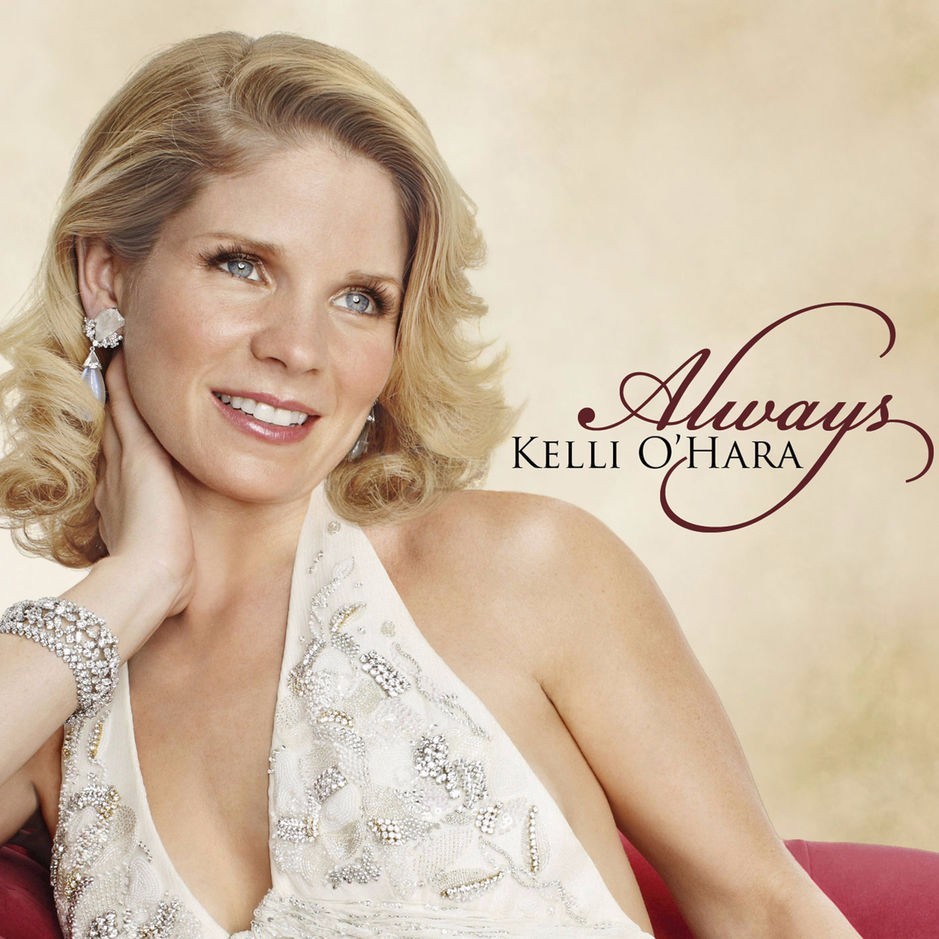
 View Artist