Song Meaning
The narrator finds themselves alone again, grappling with uncertainty and a sense of isolation. The repeated phrase "Don't know what to do" and "Don't know where to go" paints a picture of someone adrift, unsure of their next steps or how to cope with their current situation. This feeling is amplified by the contrast between past assurances of being "all alright" and the present reality of struggling "all alone."
The core tension lies in the narrator's desperate plea for reassurance and their longing for a specific person. The chorus, "All I want is you, Till the break of dawn, You know I miss you," is a direct expression of this desire, juxtaposed with a hopeful, almost pleading, "I know you miss me too." This creates an emotional push-and-pull, where the narrator yearns for connection while simultaneously battling internal doubts and external voices.
The lyrics employ a powerful sense of repetition to underscore the narrator's obsessive thoughts and emotional state. The phrase "Till the break of dawn" is hammered home, suggesting a prolonged period of waiting, sleeplessness, and perhaps a desperate hope that the night will end and bring resolution or the return of the desired person. The internal conflict is further highlighted by the "Voices in my head / Yelling it was bad," which directly challenges the narrator's feelings and their perception of the relationship, adding another layer of psychological struggle.
What makes these lyrics resonate is their raw portrayal of vulnerability and the struggle against internal and external negativity. The simple, direct language, coupled with the insistent repetition, mirrors the feeling of being stuck in a loop of longing and self-doubt. The narrator's attempt to convince themselves and the other person that their feelings are genuine ("Told you it was true," "Tell you not a phase") while simultaneously being assailed by doubt creates a palpable sense of emotional urgency and a desperate need for validation.
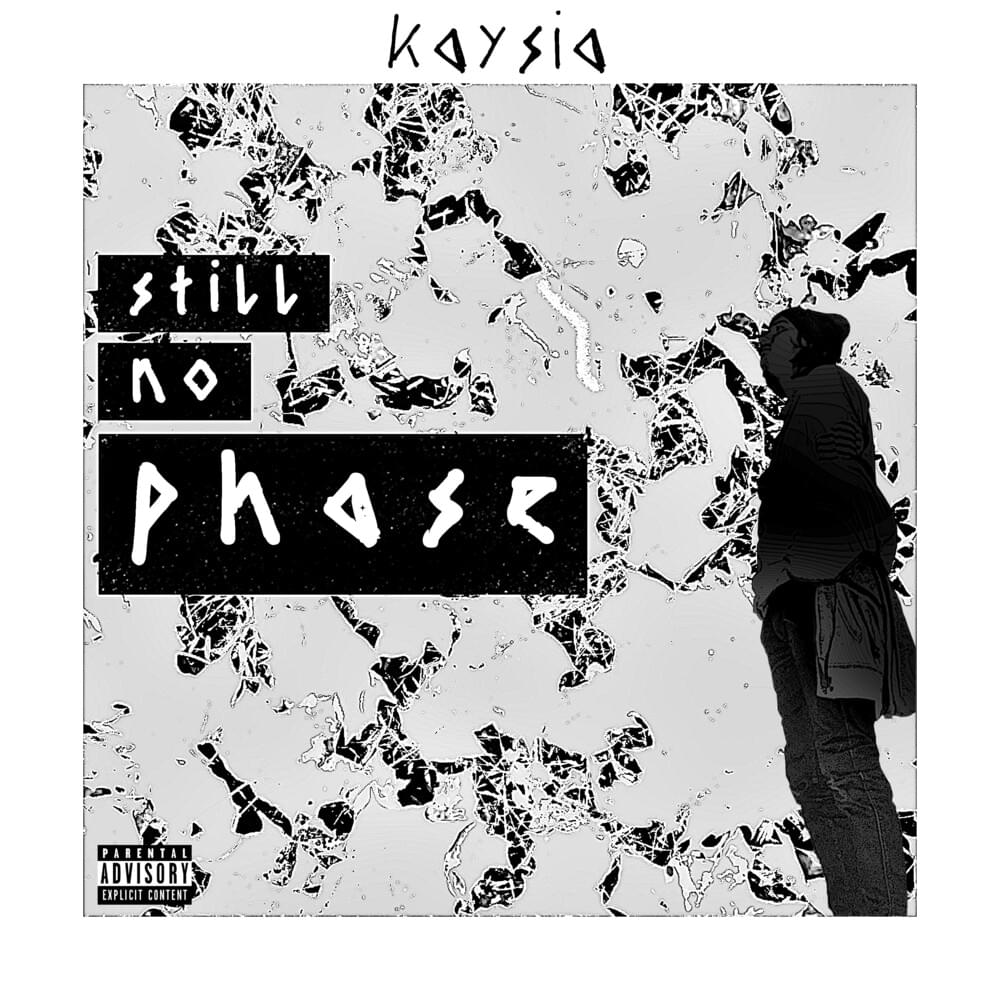
 View Artist