Song Meaning
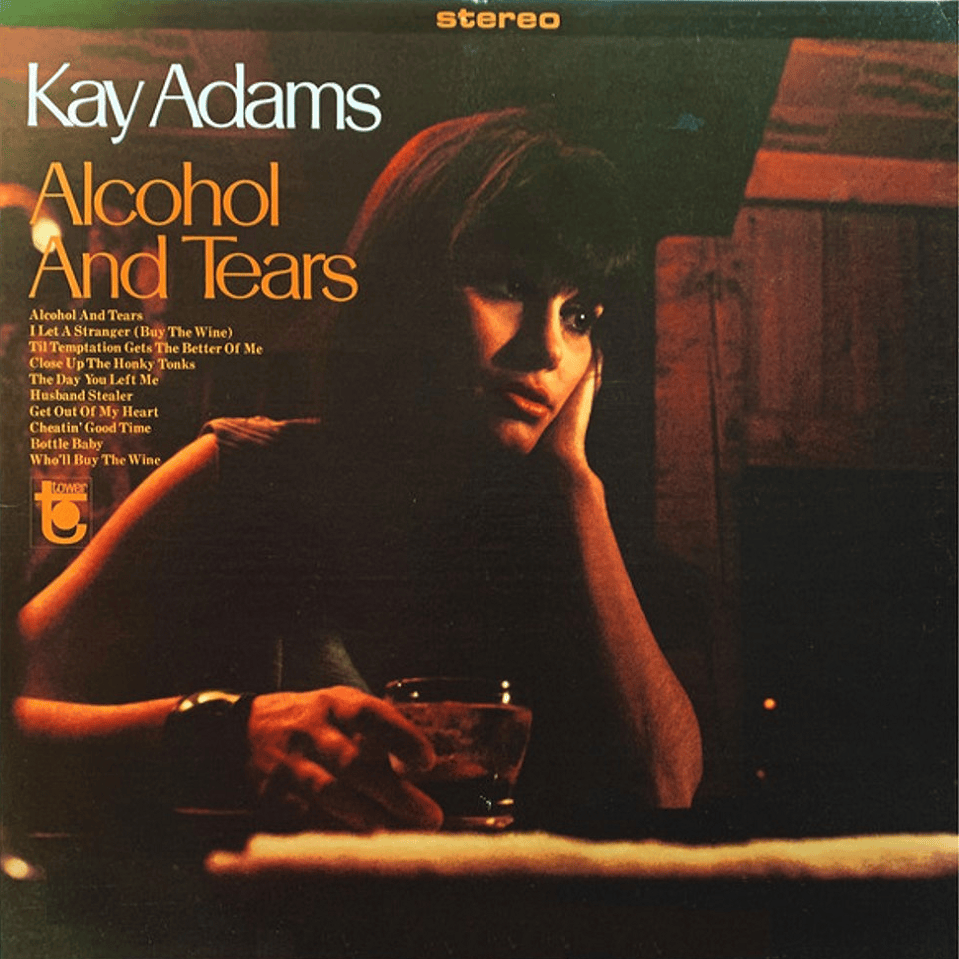
Kay Adams' "The Day You Left Me" isn't a straightforward lament about a breakup; it's a psychological autopsy of a relationship long dead, cleverly disguised as a fresh wound. The opening lines establish a deceptive premise: 'On the books this day will be known to all officially / As the day that you left me.' But the narrator immediately undermines this surface reading, suggesting the true departure happened much earlier. The song's core resides in this dissonance – the gap between the official narrative of a relationship's end and the agonizingly slow, internal process of its decay. It's the difference between the legal divorce and the emotional severing that precedes it. This is about the ghost of someone who already left, now just making the body disappear.
The repetition of 'Though you're here not really here I know, oh well, I know' is key. It underscores the feeling of being haunted by a partner who is physically present but emotionally absent. The line 'You packed your dreams and you left my heart such a long long time ago' reveals the deeper betrayal: the abandonment of shared aspirations, the slow erosion of emotional intimacy. The narrator isn't mourning a sudden loss; they're confronting the agonizing realization that the person they loved has been gone for an extended period, perhaps even years. The 'day you left me' is merely a formality, the final punctuation mark on a sentence already written.
Ultimately, "The Day You Left Me" explores the phenomenon of emotional pre-emption. It's about the experience of grieving a loss before it officially occurs, of recognizing the inevitable decline of a relationship while still trapped within its confines. The song's power lies in its ability to capture the subtle nuances of emotional detachment, the quiet heartbreak of watching someone fade away, long before they physically walk out the door. It's a stark reminder that departures are rarely clean breaks but often protracted, painful processes that leave us picking through the emotional wreckage long after the 'official' end.
 View Artist