Song Meaning
The narrator is issuing a stern, almost frantic, internal directive to maintain composure and distance. There's a palpable sense of danger or impending transgression, framed by the repeated, urgent commands: "Be wise, be smart, behave my heart." This isn't just about politeness; it's a desperate plea for self-control in the face of an overwhelming external presence. The core tension lies in the struggle to manage an internal reaction to someone who is physically and perhaps emotionally encroaching.
The lyrics paint a picture of a precarious situation where the narrator feels their carefully constructed defenses are about to crumble. The phrase "don't upset your cart" suggests a fear of disrupting a fragile equilibrium, while "don't go off your feet" implies a struggle to remain grounded. The repeated bridge, "Too close, too close to know just when to say when," highlights a loss of control and an inability to set boundaries effectively, especially when faced with "such temptation."
The most striking aspect is the insistent, almost ritualistic repetition of "be wise, be smart, behave my heart" and its variations. This isn't a casual warning; it's a desperate attempt to self-regulate, to impose order on a situation that feels inherently chaotic. The shift from "he's too close for comfort" to "He's much too close for comfort" and finally "Too close for comfort now" marks a progression from unease to an undeniable, immediate crisis.
This lyrical construction creates a powerful sense of internal conflict and dread. The narrator's struggle to maintain control against an encroaching force, underscored by the escalating warnings and the inability to define limits, makes the feeling of being "too close for comfort" resonate deeply. It’s the sound of someone bracing for impact, knowing that the boundary has already been breached.
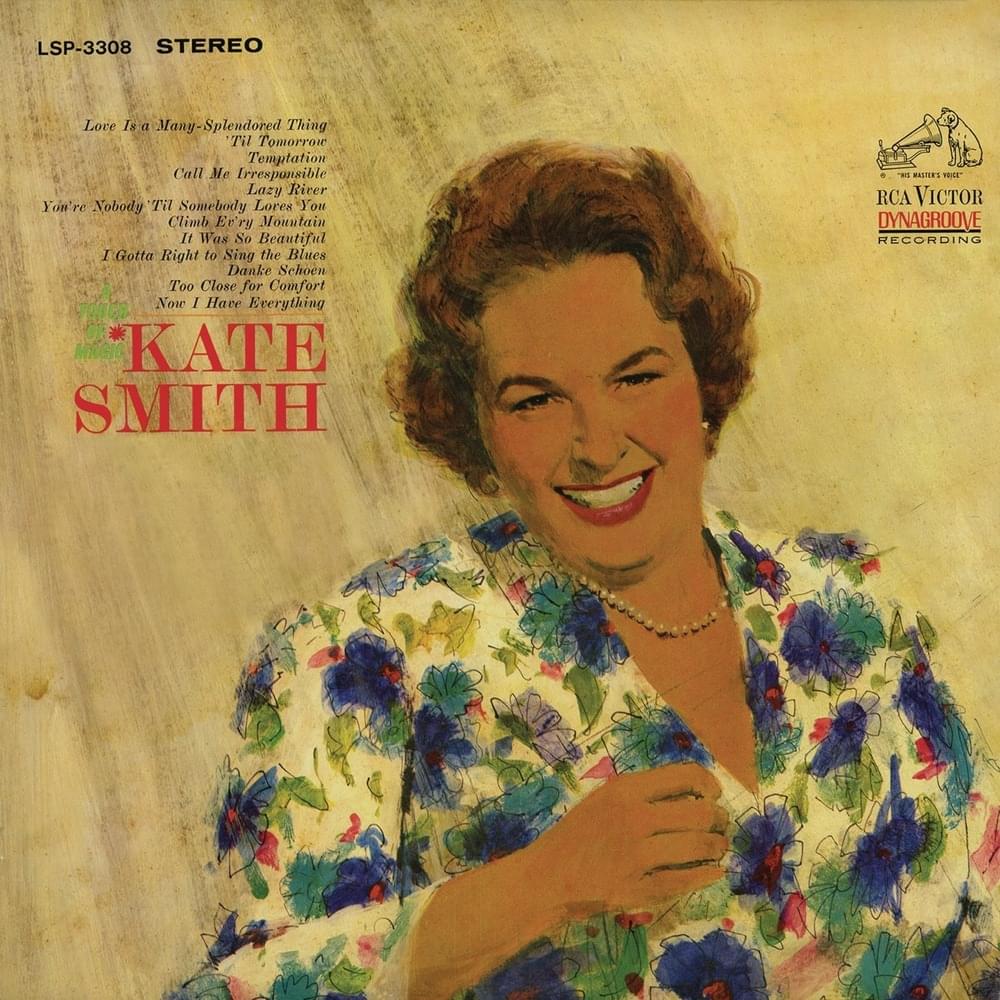
 View Artist