Song Meaning
The lyrics present a deeply unsettling justification for the historical subjugation of Black people, framing it as a divinely ordained purpose. The opening lines establish a narrative of inherent labor assigned from the world's beginning, directly stating, "Left it to the colored man." This sets a tone of resigned acceptance, immediately followed by the pronouncement that "Accept your destiny." The song constructs a twisted logic where hardship and forced labor are presented as the very reason for existence.
The central tension lies in the stark contrast between the immense suffering implied and the forced cheerfulness demanded. The lyrics insist that someone "had to slave and be able to sing," and "had to laugh at trouble." This isn't about finding joy in adversity; it's about the *necessity* of performing happiness and resilience as part of a predetermined role. The phrase "That's why darkies were born" becomes a chilling refrain, directly linking the act of singing and enduring to the supposed reason for their creation.
The most striking aspect of the craft is the ironic inversion of agency and the weaponization of song. The lyrics claim that Black people were born to sing, but then pivot to declare, "Sing, sing, that's what you taught / All them white folks to do." This suggests that the very expression of resilience, forced upon them, became a lesson for their oppressors. The imagery of fighting "that old Devil" and stoking a train towards "green pastures" further imbues this forced existence with a pseudo-spiritual significance, as if their suffering were a necessary step in a divine plan.
The effectiveness of these lyrics, however disturbing, stems from their audacious redefinition of suffering as purpose. By framing enslavement and hardship as the very reason for being, and by co-opting the act of singing as proof of this destiny, the song creates a profoundly disturbing and memorable argument. It forces the listener to confront a worldview where the most brutal aspects of human experience are rationalized as the fulfillment of a predetermined role, making the refrain "That's why darkies were born" resonate with a chilling, almost perverse, finality.
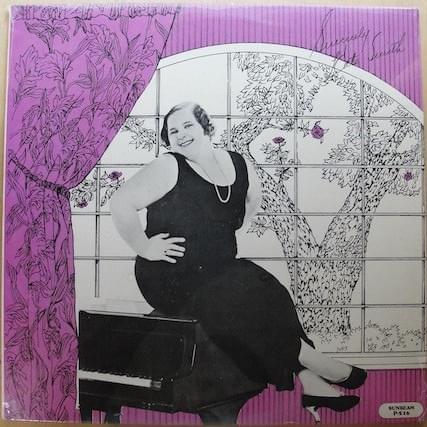
 View Artist