Song Meaning
These lyrics paint a stark contrast between the "realness" found in Christ and the "artificiality" of the world. The opening lines immediately establish a spiritual perspective, suggesting that within Christ, one sees their true self, acknowledging their own "cowardly and doubting" nature even when bearing "the easiest cross." This sets up a foundational idea: true self-awareness and spiritual burden-bearing are illuminated by faith.
The central tension emerges from the struggle against spiritual betrayal, specifically referencing Judas. The narrator expresses a deep-seated fear of becoming a "betrayer of Christ," a fear that seems to be a driving force behind their spiritual discipline. This fear is juxtaposed with Christ's own actions: blessing everyone, raising the dead, and even healing his enemies, highlighting a divine love that extends to all, even those who persecute him.
The lyrics powerfully employ the recurring motif of "realness" versus "artificiality." The world is described as offering "artificial joy," led by the "father of lies," whose aim is to corrupt creation. In contrast, "without Christ, everything is artificial and unreal," with "cheapness shining through everything." True authenticity, the lyrics suggest, is found only in that which has "holiness as its life purpose."
This focus on authenticity and the fear of spiritual failure makes the lyrics resonate. The repeated plea, "So that I do not become / A betrayer of Christ, Judas," grounds the abstract theological concepts in a personal, visceral fear. The ultimate message is that true worth and purpose, being the "crown of creation," are found not in worldly artifice but in the divine, a state of "holiness" that purifies and tempers through suffering.
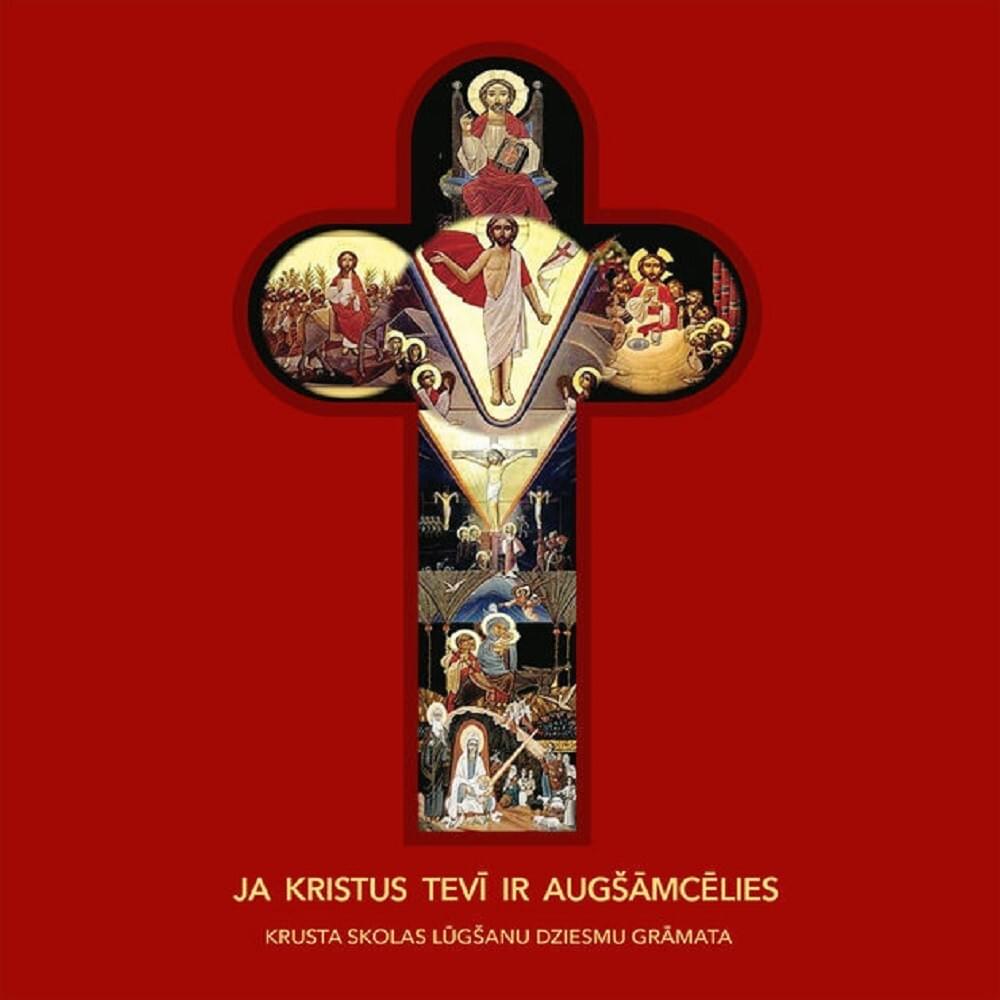
 View Artist