Song Meaning
The lyrics paint a picture of a narrator grappling with internal turmoil and a sense of isolation, often seeking solace or escape in dreams and memories. When closing his eyes, he sees faces and a recurring, unsettling image of tattoos forming a "new, ghostly shape," suggesting a persistent, perhaps haunting, presence or memory that shapes his subconscious. This internal landscape is described as a "dormitory in hell behind the picture," a vivid metaphor for a deeply unpleasant or trapped mental state, compounded by the feeling that time is "running too fast" and a lack of desire for typical escapes like a "deserted beach." The narrator explicitly states, "I no longer have dreams for years," indicating a profound disillusionment or emotional numbness.
The central tension arises from a perceived disconnect in a relationship, highlighted by the chorus: "Now I know / You don't want to play and play, but still hold hands." This suggests a desire for a deeper, more stable connection that the other person is unwilling or unable to provide, contrasting with the narrator's hope that "Days like this / Are meant to unite us, save us, and change everything to beautiful." This creates a poignant conflict between the narrator's yearning for unity and the perceived reality of the relationship's limitations.
A striking element of the song's craft is the juxtaposition of dark, almost nightmarish imagery with moments of tender, albeit fragile, connection. The narrator describes being "drunk in a bar" and not knowing "which face to put on today," alongside observing "people like collectors of experiences / Who won't forgive if you try to get up." This paints a picture of a harsh external world where vulnerability is punished. Yet, in the bridge, he offers comfort: "I'll hug you to sleep," and in the outro, a desire for primal safety emerges: "Like small children, we want to be in mom's arms." This shift from a bleak external reality to a yearning for fundamental security underscores the emotional core of the lyrics.
Ultimately, the effectiveness of these lyrics lies in their raw portrayal of disillusionment and the desperate search for meaning and connection amidst internal and external struggles. The specific, often unsettling, imagery like the "ghostly shape" of tattoos and the "dormitory in hell" grounds the emotional experience, making the narrator's longing for simple, profound connection – to be "united, saved, and changed to beautiful" – all the more resonant. The final lines, "What's bad / Is beyond us, when besides each other we have nothing else," suggest that in the face of profound isolation, the only remaining hope is found in shared existence, however fragile.
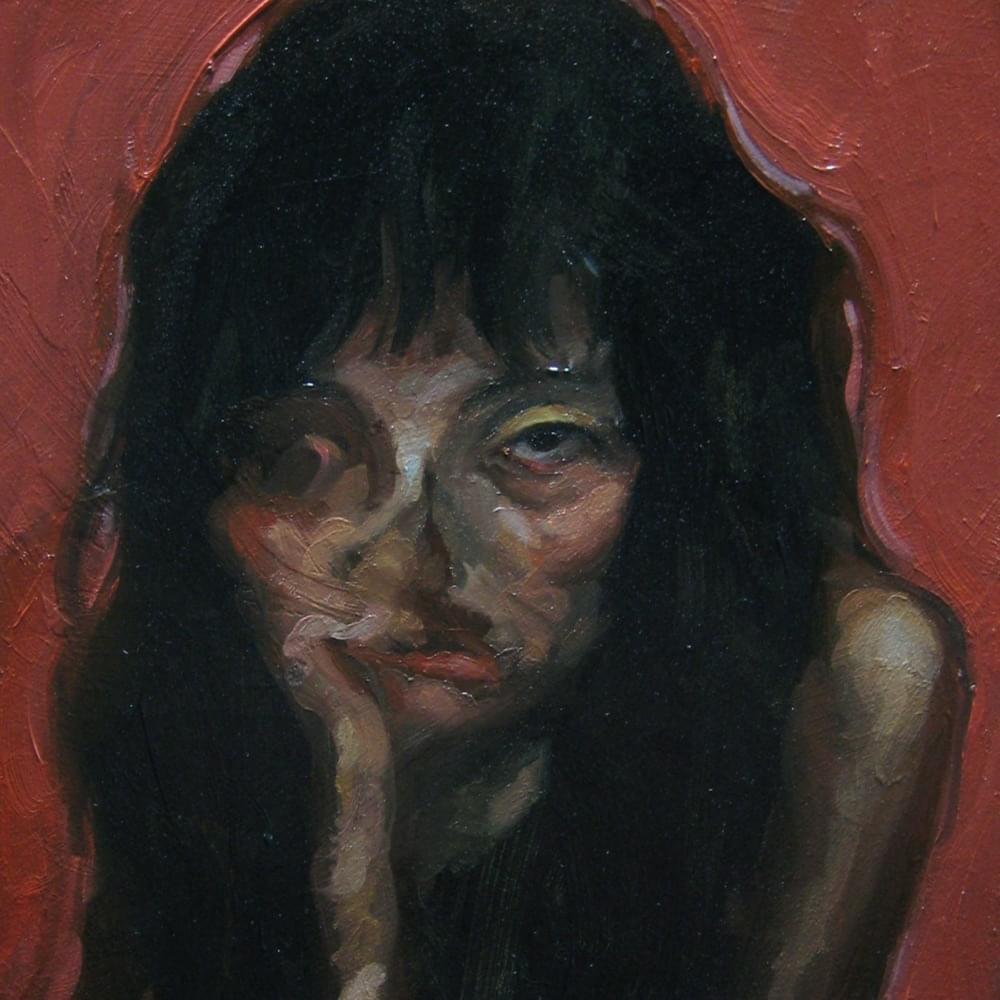
 View Artist