Song Meaning
The lyrics paint a stark, almost surreal scene of a violent act and its immediate, devastating aftermath. The narrator witnesses someone passing by, clothes bloody, uttering a plea of innocence: "Yo no le quise hacer nada." The narrator claims to have believed this person, yet the consequence is absolute: "Ya nunca mas, vas a comer pastafrola." This abrupt shift from claimed innocence to a definitive, almost domestic punishment highlights the chilling finality of the situation.
The central tension arises from the narrator's conflicting responses to the confessed killer's distress. After delivering the news of the mother's death, the narrator witnesses the killer's breakdown, "se me partió el corazón." This moment of shared sorrow, however, is immediately followed by the full confession, revealing the horrific truth: "Maté a mi madre sin saber que haría." The juxtaposition of the killer's childlike plea to see their mother and the brutal confession, driven by "la cocaina," creates a profound sense of tragedy and shock.
The most striking element is the chilling detail of the murder weapon and beverage: "Yo le clavé un cuchillo en la garganta / Mientras tomaba una naranja Fanta." This mundane act of drinking Fanta during a violent murder is jarring, stripping the act of any grandiosity and rendering it disturbingly casual. The narrator's final lament, "El cuartetero se ha quedado huerfanito," adds a layer of dark, almost absurd pity for the perpetrator, emphasizing the profound loss and the brokenness of the situation.
This narrative's effectiveness lies in its unflinching portrayal of a horrific event through specific, almost mundane details. The contrast between the violent act and everyday elements like pastafrola or Fanta, coupled with the narrator's initial claim of belief and subsequent heartbreak, creates a disorienting emotional landscape. It forces the listener to confront the devastating consequences of addiction and violence, leaving a lingering sense of shock and sorrow.
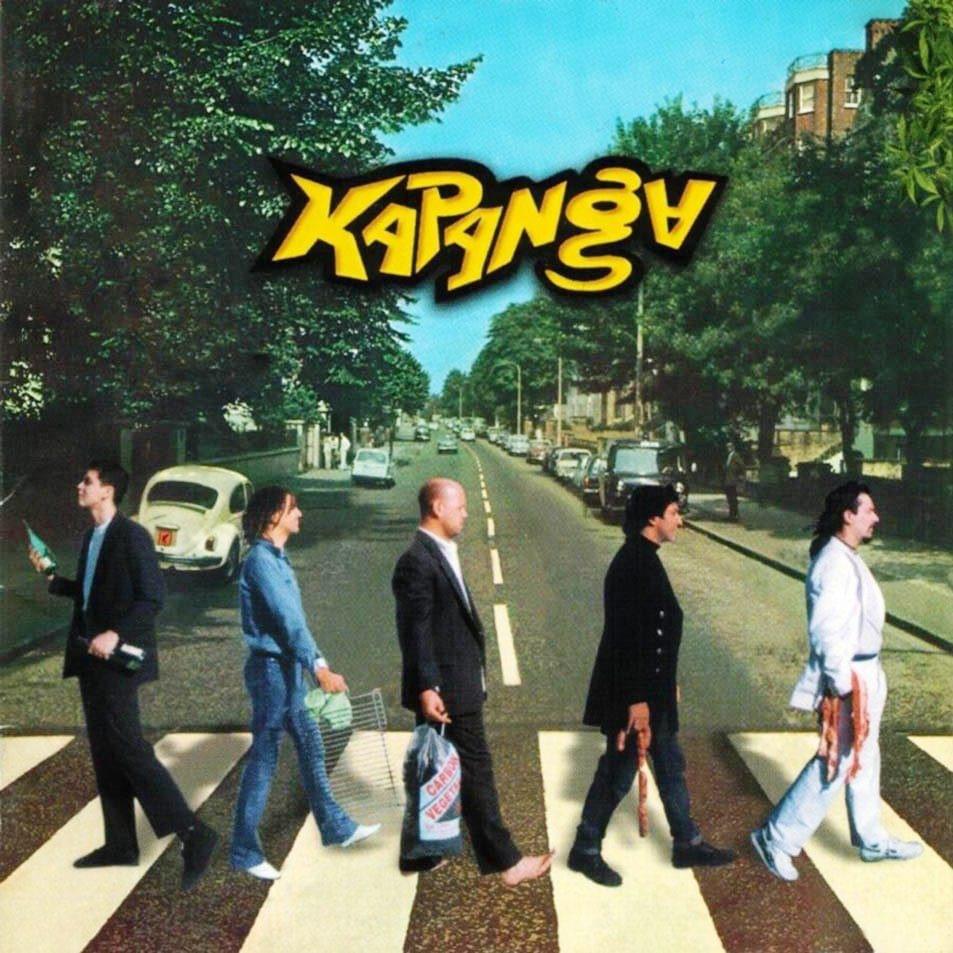
 View Artist