Song Meaning
The narrator presents themselves as an unstoppable force, capable of traversing extreme environments like deserts, mud, and even volcanoes. They claim to possess superhuman abilities – crossing seas and flying – yet this immense power is undercut by a single, critical limitation: an inability to wait. This creates an immediate tension between outward capability and internal constraint.
The core conflict lies in the narrator's desire for stillness versus their inherent inability to stop. The repeated phrase "Me gustaría parar / Y correr un poco menos" (I'd like to stop / And run a little less) reveals a weariness, a longing for rest. However, this is immediately countered by the stark declaration "Pero no puedo frenar / Se me rompieron los frenos" (But I can't brake / My brakes broke), framing their constant motion not as a choice, but as a mechanical failure.
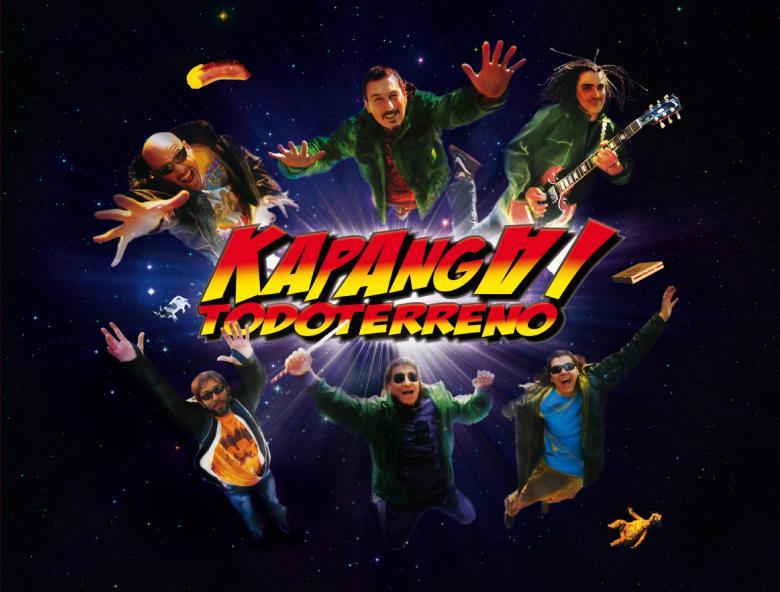
The most striking aspect is the self-applied label "todo terreno" (all-terrain). While typically denoting resilience and adaptability, here it's twisted to signify a perpetual, uncontrollable movement. The lyrics suggest this "all-terrain" nature isn't a badge of honor, but a description of a broken mechanism. They are always available, giving "Desde septiembre a febrero" (From September to February), but this generosity stems from an inability to pause, not a surplus of willingness.
This creates a poignant, almost tragic, portrait of someone who can conquer any physical obstacle but is trapped by their own internal momentum. The effectiveness lies in the contrast between grand claims of power and the simple, relatable human desire to just stop, a desire made impossible by a broken internal system. The narrator is a force of nature, but one that cannot find peace.
 View Artist