Song Meaning
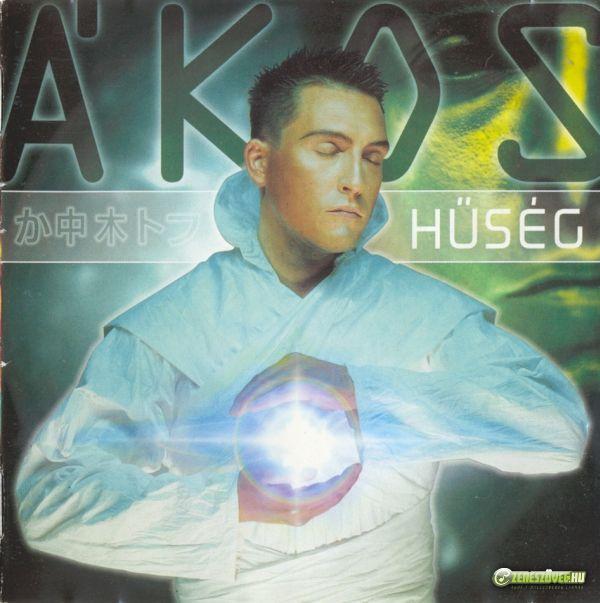
k-os's "Nagyvárosi angyal" (Urban Angel) isn't a hymn to celestial beings, but a gritty, existential portrait of a burdened soul navigating the chaos of modern life. The lyrics paint a picture of someone repeatedly sent by 'the Sky' – a metaphor for fate or a higher calling – into turbulent situations, despite their weariness. This 'angel' isn't dispensing divine justice; they are tasked with confronting and perhaps even embodying the contradictions inherent in human existence: good and evil, truth and lies, the deceiver and the deceived. The repeated invocations suggest a cyclical, almost Sisyphean task.
This 'angel' is both the messenger ('hírnök') and the message ('hír') itself, suggesting a profound interconnectedness between the individual and the world they inhabit. The repeated line, "Veled az anyagot hívja a szellem / Veled a gazembert hívja a jellem," speaks to the idea that confronting darkness is essential for defining light. The song acknowledges the fragility of this urban angel. They are susceptible to being broken by harsh landings, their fate subject to chance, highlighting the precariousness of holding onto ideals in a brutal world. There's a constant tension between the 'sky' (hope, aspiration) and the 'depths' (despair, reality).
The lyrics emphasize the relentless nature of this duty: 'újra meg újra' (again and again). The angel is a 'soldier of loneliness and light,' suggesting a solitary battle fought in the service of something greater. But the haunting line, "És a munkád végez veled" (and your work finishes you), implies that this dedication comes at a steep personal cost. This line injects a palpable sense of dread, indicating that the savior complex, while noble, is ultimately self-destructive. The song’s core meaning revolves around the tension between unwavering commitment and the very real possibility of personal annihilation, suggesting a nuanced exploration of sacrifice and the burdens of responsibility in a world perpetually teetering on the brink.
Ultimately, "Nagyvárosi angyal" doesn't offer easy answers or a triumphant resolution. Instead, it presents a stark, unflinching look at the emotional and psychological toll exacted on those who strive to make a difference, even as they risk being consumed by the very darkness they seek to dispel. It's a haunting reminder that even angels can fall, and that sometimes, the greatest act of courage is simply getting back up, 'újra meg újra,' despite the odds.
 View Artist