Song Meaning
k-os's "Mindenki táncol" paints a picture of a society intoxicated by a new, perhaps dangerous, freedom. The lyrics speak of a messenger proclaiming the death of God and the possibility of living faster, without fear of the devil. This isn't necessarily an atheistic statement, but more likely a metaphor for the rejection of traditional constraints and moral codes. The phrase "megváltozott minden" (everything has changed) suggests a seismic shift in societal values, leading to a hedonistic embrace of the present. The repeated line "Mindenki táncol" (everyone dances) becomes both a celebration and a condemnation of this newfound liberation. It's an image of collective ecstasy, but also potential oblivion.
The lyrics hint at a darker undercurrent beneath the surface of joyful abandon. The messenger's confession that "lehetünk újra gépek" (we can be machines again) evokes a sense of dehumanization. The pursuit of beauty through "sugaras erõ" (radiant power) and the shedding of inhibitions through "a jövendõvel szeretkezik" (making love to the future) suggest a Faustian bargain. Are they trading their souls for fleeting pleasure and a false sense of progress? The song subtly questions whether this relentless pursuit of novelty is truly liberating or ultimately enslaving.
The chorus, with its insistence that "senki sem áldozat" (no one is a victim) and "mindenki bûntelen" (everyone is innocent), feels almost like a forced mantra. Is it a genuine expression of guilt-free enjoyment, or a desperate attempt to deny the consequences of their actions? The line "Sorsod vagy démonod / Táncolj és megtudod" (Your fate or your demon / Dance and you will find out) encapsulates the ambiguity at the heart of the song meaning. k-os leaves it to the listener to decide whether this dance is a path to enlightenment or a descent into chaos.
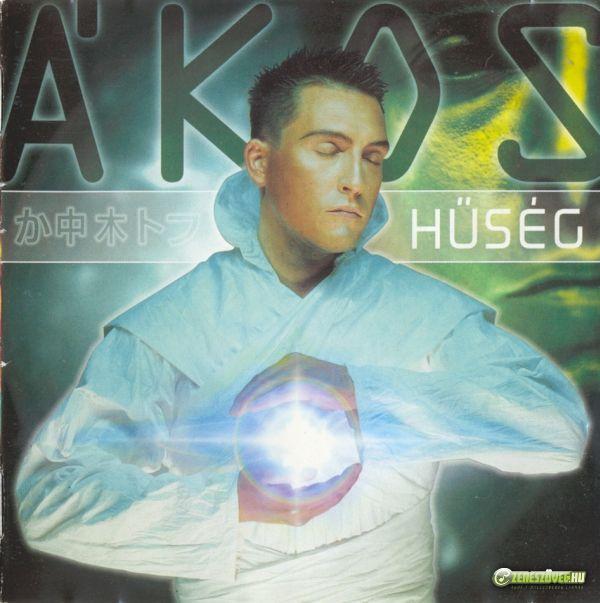
 View Artist