Song Meaning
Julio Iglesias's "Solamente una vez" isn't merely a love song; it's a distilled meditation on the singularity of profound experience. The opening lines, "Solamente una vez / Amé la vida," immediately establish this theme. He's not just singing about romance, but about a fundamental connection to life itself, framed as a unique, unrepeatable event. This creates a sense of heightened stakes; love, in this context, isn't casual, but a transformative force that redefines existence. The "nada más" that follows reinforces the finality and preciousness of this solitary moment. It suggests a life lived perhaps in anticipation of, or in the wistful afterglow of, something truly exceptional.
The lyrics then shift to the metaphor of a garden, "Solamente una vez en mi huerto / Brilló la esperanza." This evokes a personal, cultivated space where hope, like a rare bloom, has only appeared once. The hope that "alumbra el camino / De mi soledad" hints at a prior state of isolation, suggesting that this singular experience of love offers not just connection, but also guidance and meaning in a previously desolate landscape. The imagery is gentle, yet carries a heavy emotional weight, characteristic of Iglesias's delivery.
The latter verses delve into the total surrender inherent in such a profound connection: "Una vez nada más / Se entrega el alma / Con la dulce y total / Renunciación." The idea of surrendering the soul with "sweet and total renunciation" speaks to the vulnerability and sacrifice required for genuine love. It's not a power dynamic, but a complete giving of oneself. The song culminates in the realization of this "milagro," this "prodigio de amarse," triggering celebratory bells that "cantan / En el corazón." It's a powerful image, portraying love not just as an emotion, but as an internal revolution, a joyful and resonant transformation of the self.
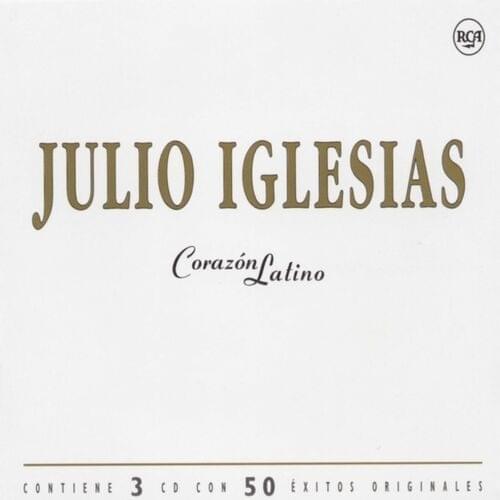
 View Artist