Song Meaning
Julio Iglesias's "Noche de Ronda" isn't merely a song; it's a distilled shot of melancholic longing, a sonic portrait of a soul fractured by absence. The "noche de ronda" (night watch) itself becomes a character, a somber presence that haunts the singer's balcony, a constant reminder of his solitude. The lyrics paint the night not as a peaceful respite, but as an active agent of pain, wounding his heart with its relentless passage. It's a masterclass in personification, turning the abstract concept of nighttime into a tangible source of anguish. Iglesias doesn't just sing about sadness; he embodies it. The moon, fractured and lost in the darkness, mirrors his own broken state, a symbol of shattered hopes and unfulfilled desires. The repetition of "¿Adónde vas?" (Where are you going?) and "¿Con quién está?" (Who is she with?) reveals the singer's obsessive thoughts, the relentless mental loop of jealousy and despair that torments him. He pleads with the night to deliver his message: a desperate declaration of love and a plea for her return.
"Noche de Ronda" delves into the psychological depths of abandonment, exploring the way heartbreak can warp perception and amplify suffering. The singer's plea, "Que las rondas no son buenas / Que hacen daño, que dan pena / Y se acaba por llorar" (That the rounds are not good / That they hurt, that they give sorrow / And you end up crying), speaks to the destructive nature of aimless wandering and the pain of seeking solace in fleeting encounters. He understands, perhaps from experience, that these "rondas" only lead to further heartache. He's trapped in a cycle of longing and anxiety, unable to break free from the memories of his lost love. The rawness of the emotion is palpable, made all the more poignant by Iglesias's delivery, which conveys a sense of vulnerability beneath the surface.
The song's power lies in its ability to tap into universal feelings of loss and regret. While the specific details of the relationship remain vague, the underlying emotions are instantly relatable. The lyrics analysis reveals a man consumed by jealousy and driven to the brink of despair. The 'night watch' is not just a literal description of the time, but a metaphor for his constant vigilance, his inability to escape the shadow of his lost love. The song captures the essence of heartbreak as a form of psychological torment, a relentless cycle of pain and longing that can only be broken by the return of the beloved. It's a reminder that even in the darkest of nights, the hope for reconciliation, however faint, can still flicker.
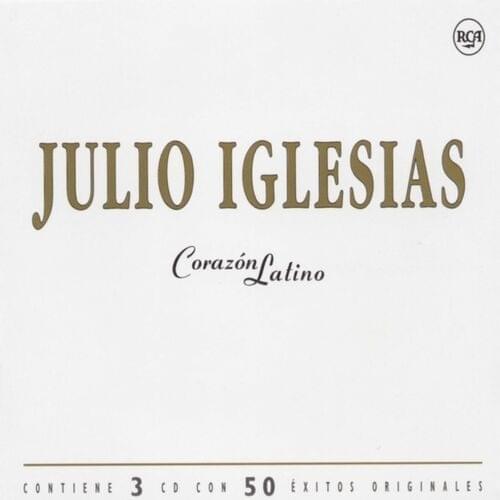
 View Artist