Song Meaning
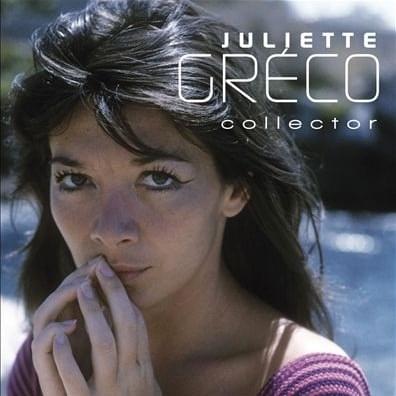
Juliette Gréco's "L'éternel féminin" isn't just a song; it's a manifesto delivered with smoky, world-weary grace. The lyrics dissect the age-old archetype of woman as both enigma and irresistible force. Gréco, a figure who herself embodied Parisian cool and intellectual allure, uses the song to explore the multifaceted nature of feminine identity, playing with the male gaze while simultaneously asserting an unyielding self-possession. The opening lines immediately establish this dynamic: a challenge to the listener to decode her, but with the implicit understanding that complete comprehension is impossible. She is "la femme," instantly recognizable yet eternally elusive. Gréco is not concerned with appearing authentic, because her version of femininity is performative by nature.
The song's genius lies in its acknowledgement of the masks women wear – "Bandeaux plats ou crinière folle" – and the conscious choices behind them. These are not mere affectations but tools, weapons even, in a game where the rules are rigged. The line "J'ai des âmes pour tous les goûts" hints at a chameleon-like ability to adapt and reflect the desires projected onto her. But beneath the surface, "Nul n'y vit clair, pas même moi," suggesting an inherent mystery even to the self. It's a brilliant subversion of the male fantasy: the eternal feminine isn't something to be conquered or understood, but a force of nature to be reckoned with.
Ultimately, "L'éternel féminin" is a declaration of power. The chorus, with its assertion that "Nos armes ne sont pas égales," underscores the inherent imbalance in the relationship between men and women, but not in the way one might expect. It's the "naïfs mâles" who are at a disadvantage, blinded by their own desires and unable to penetrate the layers of artifice. Gréco positions herself as a timeless figure, invoking Isis, the Egyptian goddess of magic and motherhood. She is not merely a woman, but an archetype, a force that transcends time and culture. The song's meaning, therefore, resides not in a simple definition of femininity, but in its celebration of its inherent complexity and enduring allure.
 View Artist