Song Meaning
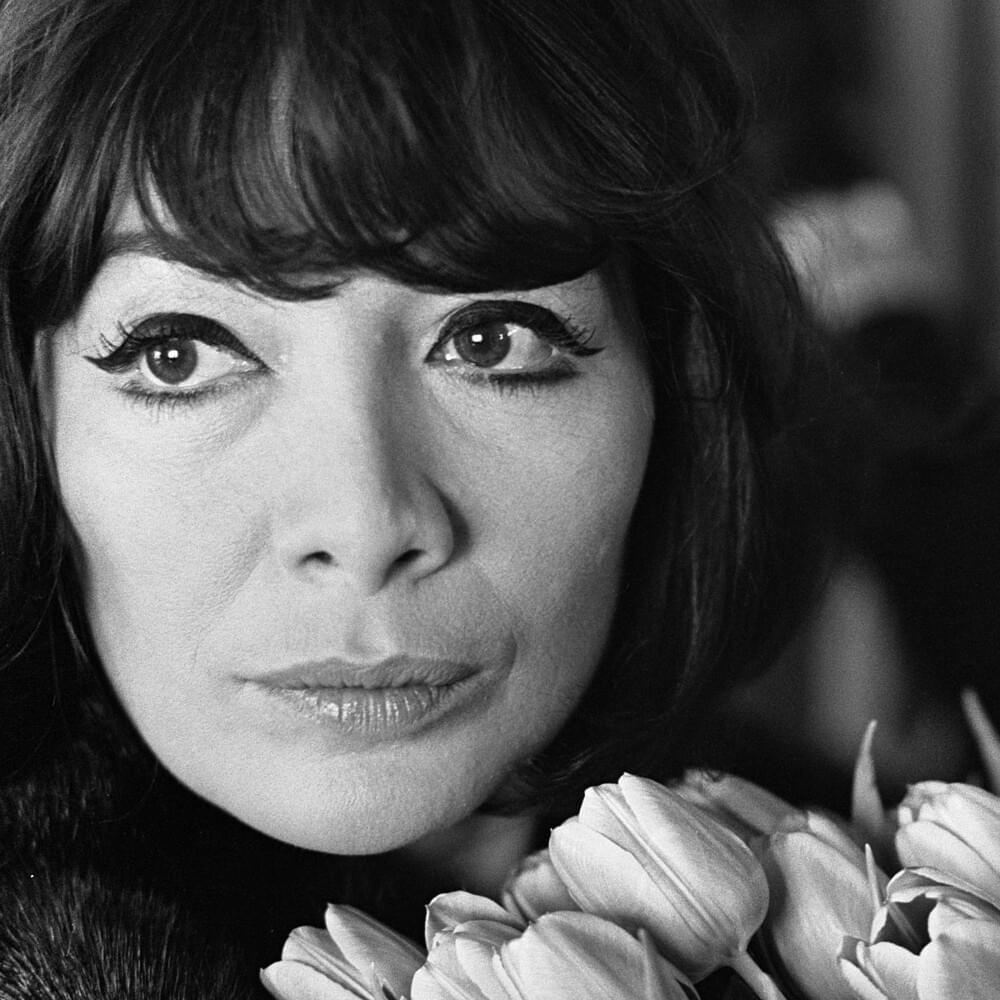
Juliette Gréco's "Rinascere canazzo" is no simple love song; it's a visceral exploration of love's paradoxical nature, a dance between ecstasy and pain, creation and destruction. Gréco, a figure synonymous with existentialism and French chanson, uses vivid, sometimes unsettling imagery to depict a love that blossoms like a flower ("L'éblouie est une fleur") yet simultaneously wounds like a knife. This isn't the saccharine depiction of romance; it's a raw, unflinching look at the vulnerability and surrender inherent in deep connection. The recurring phrase "Et c'est l'embellie" (And it's the embellishment/improvement) acts as a haunting refrain, suggesting that even within the pain, there's a transformative beauty to be found. It's a defiant embrace of the bittersweet.
The lyrics delve into the physical and emotional sensations of love with striking candor. Phrases like "Le coeur bat c'est son rôle" (The heart beats, it's its role) speak to the relentless, involuntary nature of passion, while "Quelque chose de beau / En forme de couteau" (Something beautiful / In the shape of a knife) encapsulates the duality at the heart of the song's meaning. The imagery of a knife that "délivre mes liens" (frees my bonds) suggests a liberation through pain, a shedding of inhibitions and past traumas through the intensity of the present relationship. This is not a passive experience; it's an active surrender, a conscious choice to be vulnerable even in the face of potential hurt.
As the song progresses, a sense of unease creeps in. Lines like "Comme j'ai peur de toi / Et comme tu t'en vas" (Like I'm afraid of you / And like you're leaving) hint at the ephemerality of the connection, the ever-present fear of loss that shadows even the most intense love affairs. The introduction of "L'obélie," the sister of "L'éblouie," as the flower of forgetting and obedience to "l'amour aboli" (abolished love), adds a layer of melancholy. It suggests that even as love fades, it leaves an indelible mark, a memory that both comforts and haunts. Gréco masterfully captures the cyclical nature of love, its ability to both elevate and devastate, to create and destroy, leaving the listener with a profound sense of its complex and often contradictory power.
 View Artist