Song Meaning
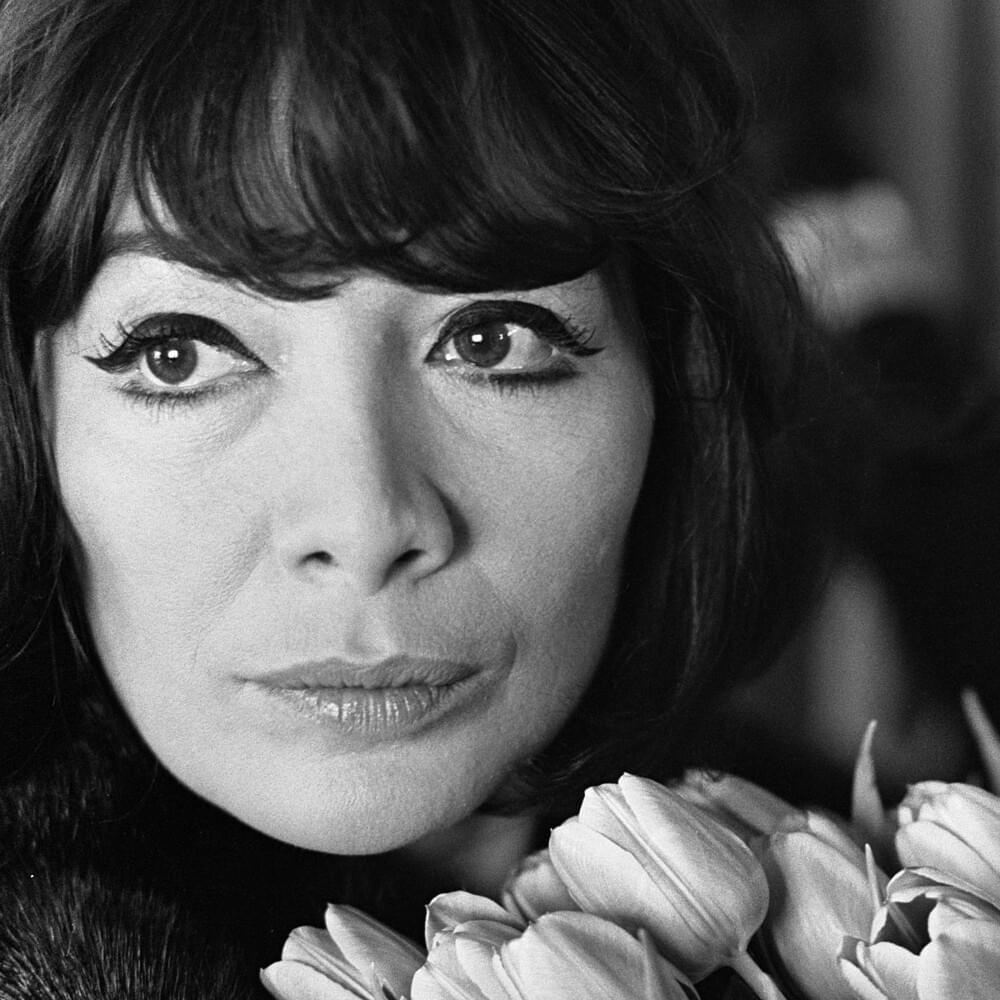
Juliette Gréco's "Qui per un motivo" isn't merely a song; it's a stark confession, a glimpse into the soul of an artist wrestling with vulnerability and resilience. The opening lines, lamenting a heart broken like the wounded chords of a mechanical organ, immediately establish a tone of poignant resignation. This isn't a tale of romantic heartbreak alone; it's a broader lament for a life lived on display, where personal pain becomes public entertainment. The singer acknowledges her destitution, finding solace only in fleeting "amours de rues," painting a picture of a transient existence fueled by fleeting connections. The question posed – "What do you want me to do with my misery to entertain you?" – drips with both defiance and weary compliance.
The song meaning deepens as Gréco explores the performative aspect of her existence. She sings of the "fadaises" (nonsense) she's sung to save her own skin, highlighting the compromises artists often make to survive. The image of dancing the pavane, a slow, formal dance, even against her will, underscores this theme of forced performance. Yet, beneath the surface of compliance lies a steely resolve. "Rien ne me fait honte" (nothing shames me) she declares, suggesting a hard-won acceptance of her path. Her songs are her only true possession, the only things that truly matter.
Ultimately, "Qui per un motivo" is a complex meditation on exploitation and survival. The listener profits from her suffering, she acknowledges, but a day will come when the tables turn. The final repetition of the broken heart and mechanical organ imagery isn't simply a return to the starting point; it's a cyclical reminder of the pain that fuels her art. It's a promise of future laughter, born from the ashes of present sorrow, a testament to the enduring power of the human spirit to transcend even the most crushing circumstances. The lyrics analysis reveals a narrative about reclaiming agency, hinting that the performance is not just for the audience, but a carefully constructed act of self-preservation.
 View Artist