Song Meaning
Juliette Gréco's "La recette de l'amour fou" isn't a saccharine ballad; it's a wickedly smart instruction manual for playing the game of love—or, more accurately, for maintaining the upper hand. The song meaning resides in its ironic delivery of relationship advice, presented as a step-by-step guide to emotional manipulation. Forget romance; Gréco prescribes a calculated performance, a series of carefully orchestrated power plays designed to keep a lover perpetually off-balance. The boudoir setting itself becomes a stage, the 'coeur bien tendre' an unwitting actor in a drama directed with cool detachment.
The lyrics are a masterclass in sardonic wit. The initial invitation to 'laissez s'asseoir et se détendre' quickly turns sour with the instruction to play Chopin with disdain. The recurring motif of the lover falling asleep—and the swift ejection that follows—underscores the singer's contempt for vulnerability or complacency. It's not enough to simply be present; one must remain captivating, on edge, a source of constant stimulation. The second verse intensifies the game, demanding the lover wait 'trois bons quarts d'heure,' a test of devotion designed to ensure he's 'cuit'—thoroughly cooked, and therefore, completely under her control.
The final verse culminates in a deliberate act of emotional deception. The singer advises to 'Jouez la farce du grand amour,' uttering the obligatory 'jamais' and 'toujours' before succumbing to passion. But even in the throes of intimacy, the threat of expulsion looms. The ultimate message of "La recette de l'amour fou" is unsettling: love isn't about connection or reciprocity, but about maintaining control through calculated manipulation and a willingness to discard anyone who dares to become predictable. Gréco's rendition transforms what could be a simple guide into a cynical, yet compelling, commentary on the performance of love.
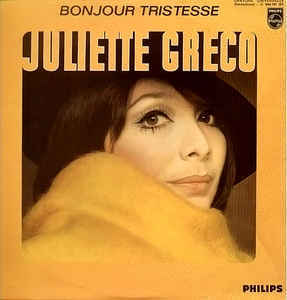
 View Artist