Song Meaning
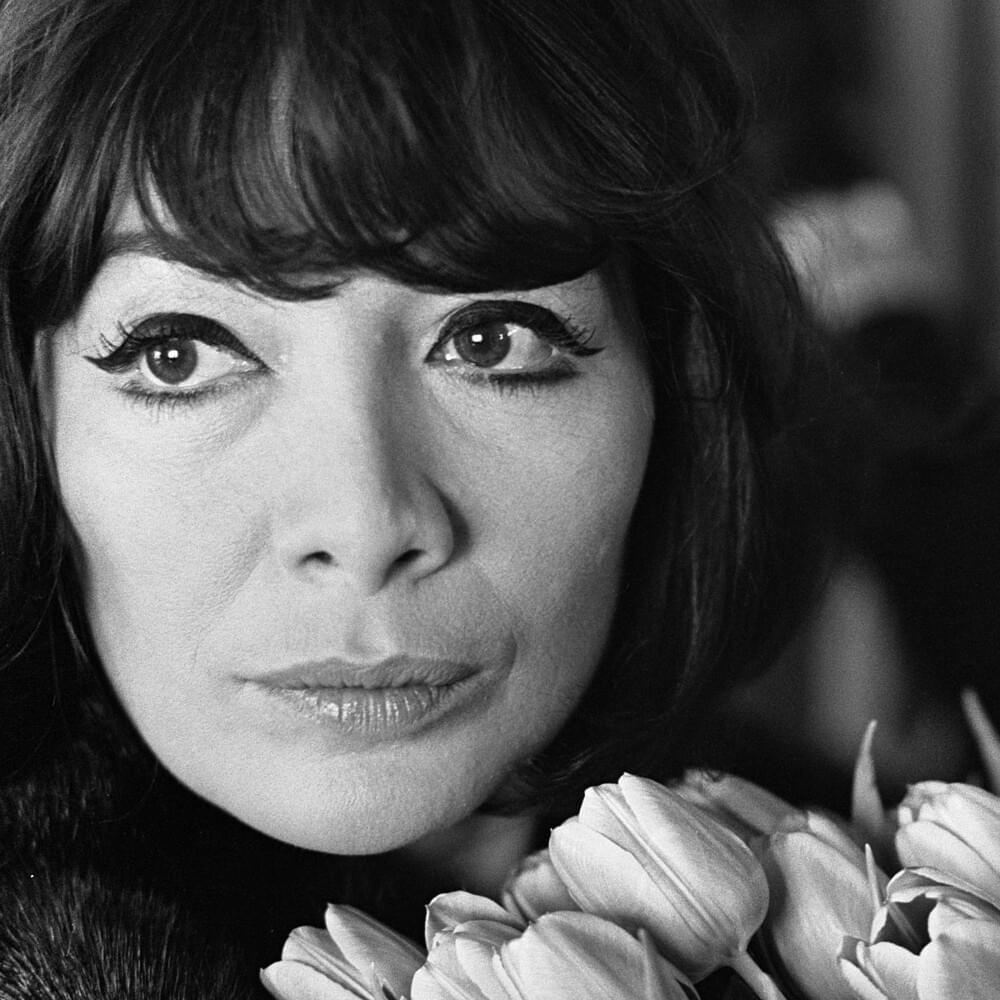
Juliette Gréco's "Couvre-feu" isn't just a song; it's an intimate act of defiance against despair. The legendary chanteuse, known for her emotionally raw performances, uses the image of a single tear as a focal point, a microcosm reflecting both personal sorrow and global catastrophe. The lyrics suggest a world teetering on the brink—skyscrapers ablaze, tsunamis crashing, horizons collapsing. Yet, amidst this apocalyptic vision, the singer finds solace, even a strange form of hope, in the presence of a loved one. The "couvre-feu"—curfew—becomes a metaphor for the emotional lockdowns we experience during times of crisis, and the song's core question becomes: can love and connection transcend even the most profound sense of dread?
Gréco doesn't shy away from the bleakness of the human condition. The repetition of "Une larme au fond de tes yeux" (a tear in your eyes) acts as a grounding force, a reminder of the shared vulnerability that connects us all. The lyrics hint at past disillusionment ("Rien n'aurait jamais dû un jour se faner"), a sense of innocence lost that permeates the song's atmosphere. But, crucially, the gaze isn't turned inward in self-pity. Instead, that tear becomes a catalyst for empathy, sparking a desire for ceasefire—both literal and metaphorical—and a yearning for universal happiness. The song's genius lies in its ability to juxtapose personal intimacy with the vastness of global suffering, suggesting that even the smallest act of love can be a powerful act of resistance.
Ultimately, the song meaning of "Couvre-feu" isn't about naive optimism. It’s a mature, clear-eyed acknowledgement of the world's darkness, coupled with an unwavering commitment to finding light within human connection. The final verse, where the singer questions whether monstrous acts can ever be forgiven, lays bare the moral complexity at the heart of the song. It's not a simple call for peace, but a profound meditation on the resilience of the human spirit in the face of unimaginable horrors. The power of Juliette Gréco is how she can take what seems to be the most simple statement of love, and turn it into an existential outcry.
 View Artist