Song Meaning
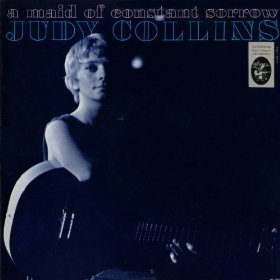
Judy Collins' rendition of "Pretty Saro," a traditional Appalachian folk song, drips with the quiet ache of unrequited love and economic disparity. The song's power lies not in bombast, but in its stark simplicity and the narrator's resigned acceptance of his fate. He exists "down in some lone valley," a physical and emotional isolation mirroring his social standing. The "wild birds" that "whistle and their notes do increase" offer a cruel counterpoint to his own muted sorrow; nature thrives, indifferent to his personal tragedy. This isn't a rebellion, but a lament.
The core of the song meaning revolves around the cold, hard reality of class. The narrator understands – with a heartbreaking clarity – why "my love she won't have me." It's not a matter of affection, but economics. She desires a "rich merchant," a provider, someone who can offer security and status. The singer is painfully aware of his own inadequacy: "I cannot maintain her, I've no silver and gold." This isn't just about money; it's about the societal structures that dictate who is worthy of love and partnership. The lyrics reveal a deep-seated understanding of his place within this hierarchy, and a weary acceptance of its power.
The final verse introduces a fleeting fantasy, a "what if" scenario. If he were a merchant, if he possessed the skills to "write a fine hand," he could communicate his feelings in a way that might sway her. The image of writing "by the river where the waters o'erflow" suggests a desperate outpouring, a symbolic attempt to overcome the barriers that separate them. Ultimately, though, even this dream returns to the refrain of resignation: "I'll dream of Pretty Saro wherever I go." The dream itself becomes a constant reminder of what he lacks, and the love he can never attain, forever haunting his journey.
 View Artist