Song Meaning
Judy Collins's interpretation of "Long and Winding Road" isn't just a cover; it's a masterclass in emotional excavation. The song, already laden with the bittersweet ache of paths taken and lost connections, finds new resonance through Collins's crystalline vocals. The titular road becomes a metaphor not just for physical distance, but for the circuitous routes our hearts take when grappling with unresolved longing. It's that feeling of being perpetually drawn back to a person or a place, despite the passage of time and the accumulation of unspoken hurts.
The lyrics analysis reveals a cyclical pattern of hope and disappointment. The singer repeatedly finds herself at the same metaphorical doorstep, yearning for a connection that remains elusive. Phrases like "Why leave me standing here?" and "Don't leave me waiting here" expose a raw vulnerability, hinting at a past abandonment that continues to haunt the present. The "pool of tears" left by the "wild and windy night" suggests a cathartic release, yet the underlying pain persists, unyielding to the cleansing power of time. The song meaning extends beyond simple heartbreak; it's about the frustrating persistence of memory and the difficulty of moving on when a part of you remains tethered to the past.
Collins's rendition amplifies the song's inherent melancholy. The repeated pleas to be led to "your door" underscore the singer's vulnerability and dependence on the other person's actions. The futility of the journey is palpable: "Anyway you'll never know / The many ways I've tried." It speaks to the silent, internal struggles we endure in the face of unrequited longing. Ultimately, Judy Collins transforms "Long and Winding Road" into a poignant exploration of emotional stasis, a testament to the enduring power of unresolved feelings and the cyclical nature of heartbreak.
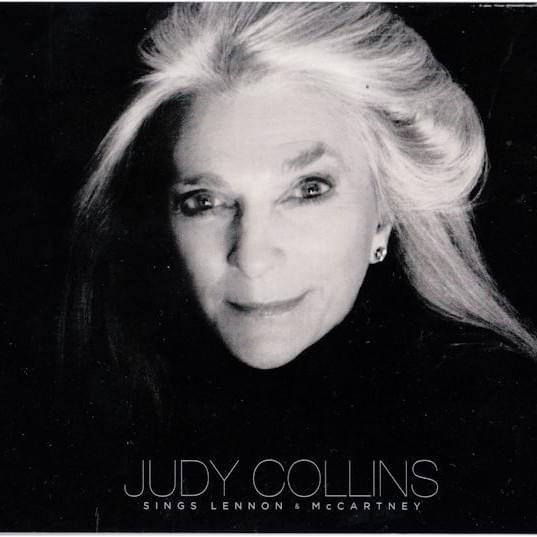
 View Artist