Song Meaning
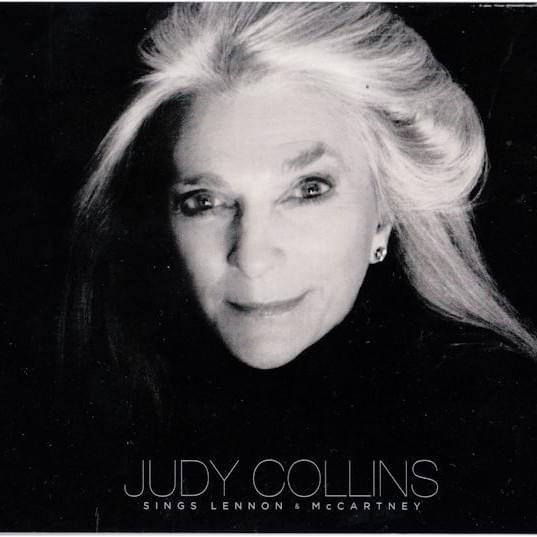
Judy Collins’s interpretation of "I'll Follow the Sun" is a masterclass in bittersweet departure, less a lament than a pre-emptive eulogy for a relationship nearing its inevitable close. The song meaning hinges on the central metaphor: escaping to "follow the sun" before the metaphorical rain begins. This isn’t a sudden bolt; it’s a calculated retreat, born from a deep understanding of the relationship's trajectory. The lyrics telegraph a quiet resignation. The narrator foresees a future where their absence will be felt, a future where the other person will realize their significance. There's no anger or accusation, just a gentle acceptance that their time together is ending. The "tomorrow may rain" line isn't just about potential sadness; it implies an emotional storm already brewing, one the narrator is wisely choosing to avoid.
Collins's performance imbues the lyrics with a palpable sense of melancholy. The repetition of "One day, you'll..." underscores the narrator's certainty. They’re not hoping for future recognition; they *know* it will come, but it will be too late. This knowingness is the source of the song's poignant power. The narrator acknowledges the pain of leaving, admitting to losing a friend, yet frames it as a necessary step. This isn't presented as selfish, but rather as an act of self-preservation, a refusal to be caught in the downpour. The "Oh-oh-oh" interjections serve as emotional punctuation, moments of raw feeling breaking through the composed facade.
Ultimately, "I'll Follow the Sun" is a sophisticated exploration of emotional foresight and the courage to choose one's own path. It's a song about recognizing the turning point in a relationship and opting for a graceful exit rather than waiting for a messy, drawn-out ending. The sun, in this context, represents not just happiness, but also clarity and self-awareness. The narrator isn’t just chasing joy; they’re seeking a space where they can thrive, a space that this particular relationship can no longer provide. It's a mature, psychologically astute take on love and loss, delivered with Collins's signature emotional intelligence.
 View Artist