Song Meaning
The lyrics present a darkly humorous, cyclical conflict framed as a bureaucratic delivery. A knock at the door announces a representative from the "Ayuntamiento" (City Hall) with a "mandamiento" (writ or commandment). This arrival immediately sets up a confrontation, as the recipient states, "Pues aquí tenemos diez" (Well, here we have ten), implying they already have their own set of rules or grievances.
The core tension arises from a clash between authority and defiance, specifically concerning finances and control. The first commandment demands more money, met with a defensive query about its expenditure, which is immediately rebuffed with a defiant "me lo gasto como quiero" (I spend it as I please). This establishes a pattern of demands and dismissals, escalating from financial disputes to outright rejection and threats of departure.
The craft here is in the subversion of the Ten Commandments. Instead of divine decrees, these are petty, domestic squabbles disguised as official pronouncements. The rhyming couplets, like "harto"/"tinto" and "esto"/"vete," lend a sing-song, almost childish quality to the arguments, highlighting the absurdity of the situation. The repetition of the "Toc-toc, ¿quién es?" framing reinforces the inescapable, recurring nature of this conflict.
This lyrical structure makes the piece effective by tapping into the frustration of endless, unresolved arguments, particularly those involving money and perceived control. The humor stems from the grandiosity of the "Ayuntamiento" delivery juxtaposed with the mundane, petty nature of the "commandments," creating a relatable, albeit exaggerated, portrait of domestic discord.
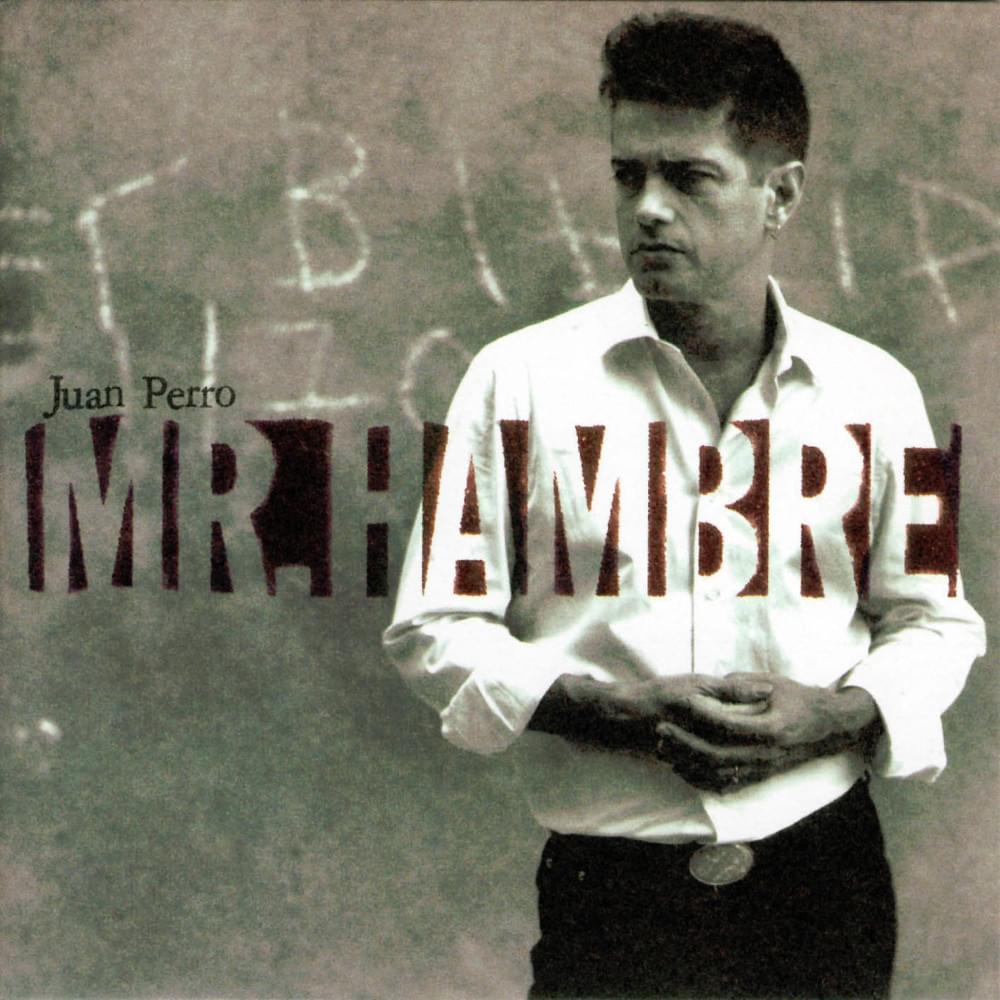
 View Artist