Song Meaning
The lyrics paint a vivid picture of a young narrator, Carmen, fixated on someone named Carmen. The repeated plea, "Llévame al río" (Take me to the river), sets a tone of desperate longing, a desire to escape a mundane or restrictive present. This escape is framed by a rejection of childishness, as the narrator states, "Prefiero irme yo sola / Que andar con críos" (I prefer to go alone / Than to be with children), highlighting a yearning for a more mature or perhaps romanticized experience.
The central tension arises from the narrator's overwhelming distraction by Carmen's presence. The act of seeing Carmen pass by, obscured by "papeles de celofán" (cellophane papers), leads to severe consequences: expulsion from school for not listening to the teacher. This suggests that the narrator's infatuation is so consuming it disrupts their ability to function in their current environment, pushing them further towards the desired escape to the river.
The imagery of washing clothes at the river introduces a domestic, almost ritualistic element. The narrator's eagerness to join Carmen, carrying the basket "en la cadera / Y el paso altivo" (basket on the hip / And a proud step), reveals a desire to be close, to participate in Carmen's world. The detail of "Enaguas hechas de paño / De Portugal" (petticoats made of cloth / From Portugal) adds a touch of specific, perhaps inherited, cultural richness to the scene, grounding the fantasy in tangible details.
Ultimately, the effectiveness of these lyrics lies in their raw portrayal of adolescent obsession and the yearning for a different reality. The simple, direct language, coupled with the recurring motif of the river, creates a powerful sense of escapism. The contrast between the dullness of school and the idealized vision of the river, where even soap bubbles are carried away, underscores the depth of the narrator's desire to leave it all behind for Carmen.
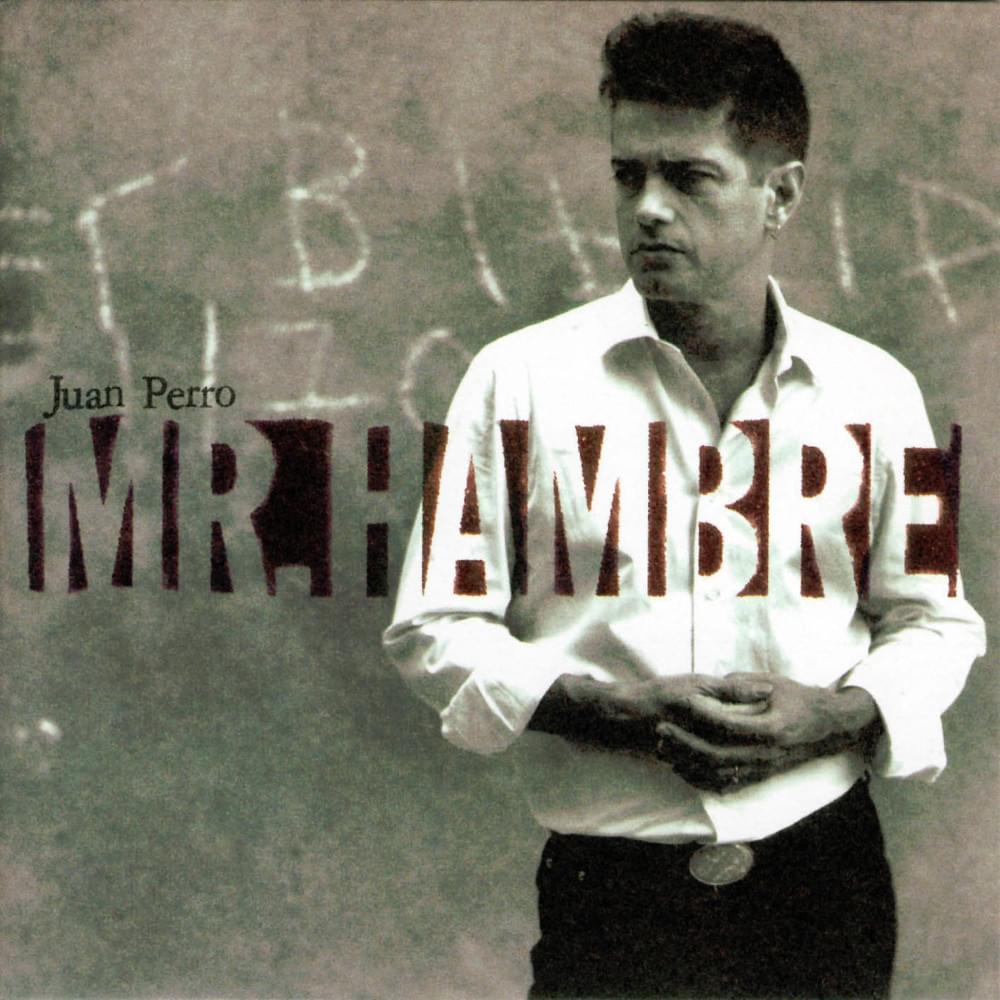
 View Artist