Song Meaning
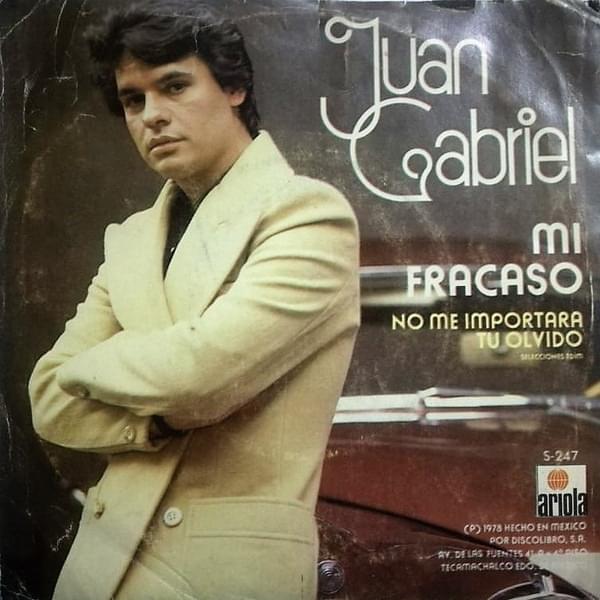
Juan Gabriel’s "Mi Fracaso" isn't just a breakup song; it's a masterclass in controlled emotional demolition. The song meaning resides in the meticulous architecture of its farewell. It’s a performance of dignity amid the ruins of a love affair, a carefully constructed exit strategy designed to preserve the singer's self-respect more than to salvage the relationship itself. The opening lines set the stage: a determined march forward, a vow to sidestep future romantic landmines. There's a weary acceptance in the declaration to forgive everything without bitterness, which hints at a deeper understanding of human fallibility, perhaps even self-awareness of his own contributions to the relationship's demise.
The chorus is the heart of the song's psychological complexity. The request – "que no hables bien ni mal de mi" – is a plea for narrative control. It's a defensive maneuver against potential character assassination, a preemptive strike to protect his reputation and, perhaps more importantly, his own carefully curated image of himself. The acknowledgment that forgetting will be easier for her, given her new love, is delivered without overt resentment, yet it carries a subtle sting. It underscores the imbalance of power and investment in the relationship's ending.
The final verses are a study in stoic resignation. Juan Gabriel recognizes the futility of forcing affection, acknowledging that his "ansiedad" couldn't penetrate her heart, especially with another suitor fulfilling her desires. The repetition of gratitude for past happiness, coupled with the promise of never being seen again, seals the song's thematic core: a gracious, if somewhat theatrical, farewell. "Mi Fracaso" isn't a lament; it’s a carefully orchestrated act of self-preservation, a demonstration of how to exit a failed love with one's head held high, even if the heart is quietly breaking. The song's genius lies in its portrayal of heartbreak not as a chaotic explosion, but as a meticulously planned implosion.
 View Artist