¿Dónde Estás Vida Mía?
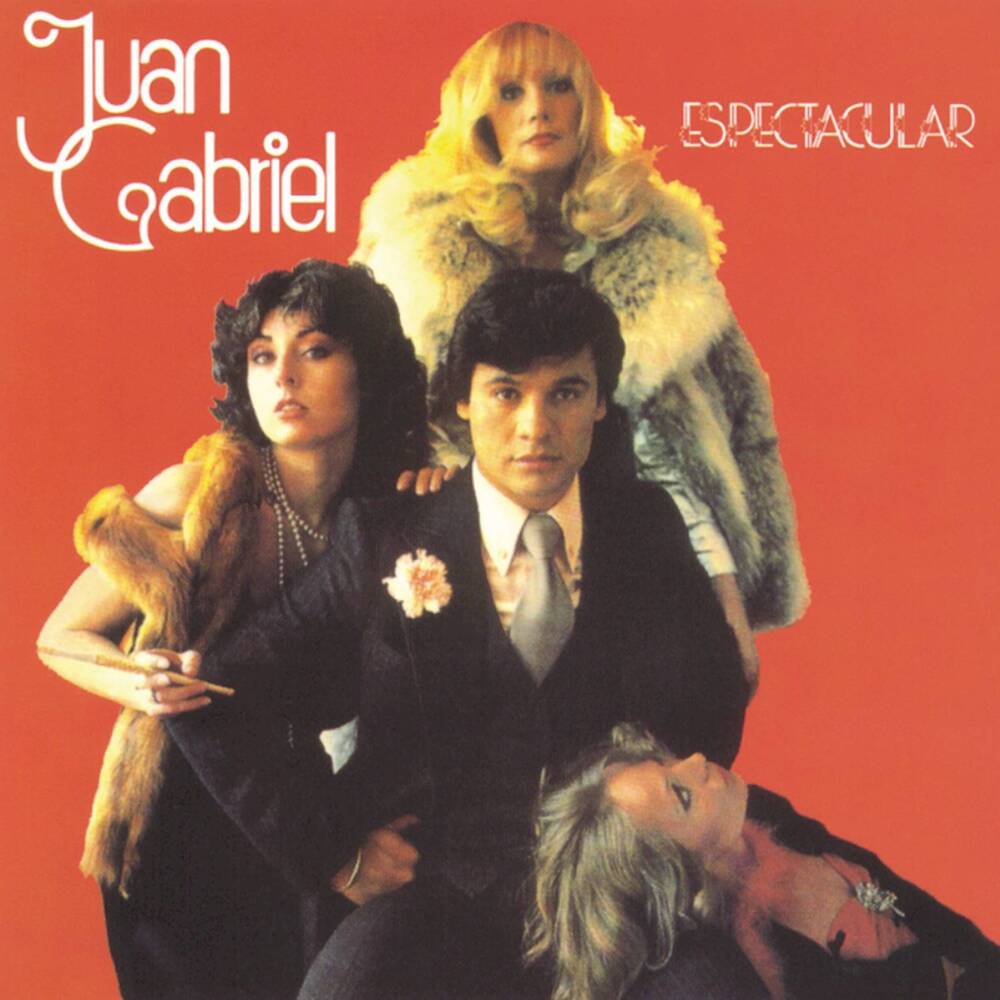
 View Artist
Lyrics
Language:
[Letra de ¿Dónde Estás Vida Mía?] Dónde estás vida mía? Todavía, no te encuentro Yo de noche y de día Nada mas en ti pienso Dónde estas vida mía? Todavía te espero Han pasado muchos años Y olvidarte aún no puedo Te busca, mis ojos sin cesar Mi boca ansía un beso más Mis manos, sienten acariciarte Y tu ya no estás, tu ya no estás Dónde estás vida mía? Ya no puedo esperar más Tengo miedo, de que un día Humillado por la vida Tu me vayas a encontrar Dónde estás, dónde estás? Dónde estás vida mía? Ya no puedo esperar más Tengo miedo, de que un día Humillado por la duda Tu me vayas a encontrar Dónde estás?
Rate this song
0/5.0 - 0 Ratings
5
0.0% (0)
4
0.0% (0)
3
0.0% (0)
2
0.0% (0)
1
0.0% (0)
Loading comments...
Credits
- Writers
- Juan Gabriel