Song Meaning
This narrative paints a stark picture of mismatched desires, beginning with a colossal figure, the "gigante de ojos azules," who loves a woman whose dream is a tiny house, complete with a honeysuckle garden. The contrast is immediate: his immense presence against her miniature world. The repeated imagery of the small house and its garden underscores her specific, contained aspirations, which are fundamentally at odds with the giant's scale.
The central tension arises from the woman's growing dissatisfaction with the "desmesurada empresa" – the overwhelming, perhaps burdensome, nature of loving someone so much larger than her world. Her dream of a garden with honeysuckle remains unfulfilled in the context of this grand, unmanageable love. The lyrics suggest her weariness stems not from a lack of affection, but from an inability to reconcile her intimate needs with the giant's overwhelming scale, leading her to seek a more fitting, smaller embrace.
The most striking element is the abrupt shift in the third stanza: the woman leaves the giant for a "enano rico" (rich dwarf) and immediately finds her perfect small house with the longed-for garden. This isn't just a change of partner; it's a complete re-scaling of her reality. The giant's "ojos azules" are left behind, replaced by the comfort of a home that finally fits her, highlighting how perceived compatibility is often about scale and practicality rather than sheer magnitude of feeling.
The effectiveness of these lyrics lies in their allegorical simplicity and the poignant final realization of the giant. He "comprende ahora" (understands now) that "amores de tanta grandeza" (loves of such greatness) simply "no caben" (don't fit) in small, doll-like houses, even those with gardens. The repeated, almost mantra-like description of the garden serves as a constant reminder of the woman's specific dream, a dream the giant, despite his love, could never truly accommodate, making his eventual understanding a quiet tragedy.
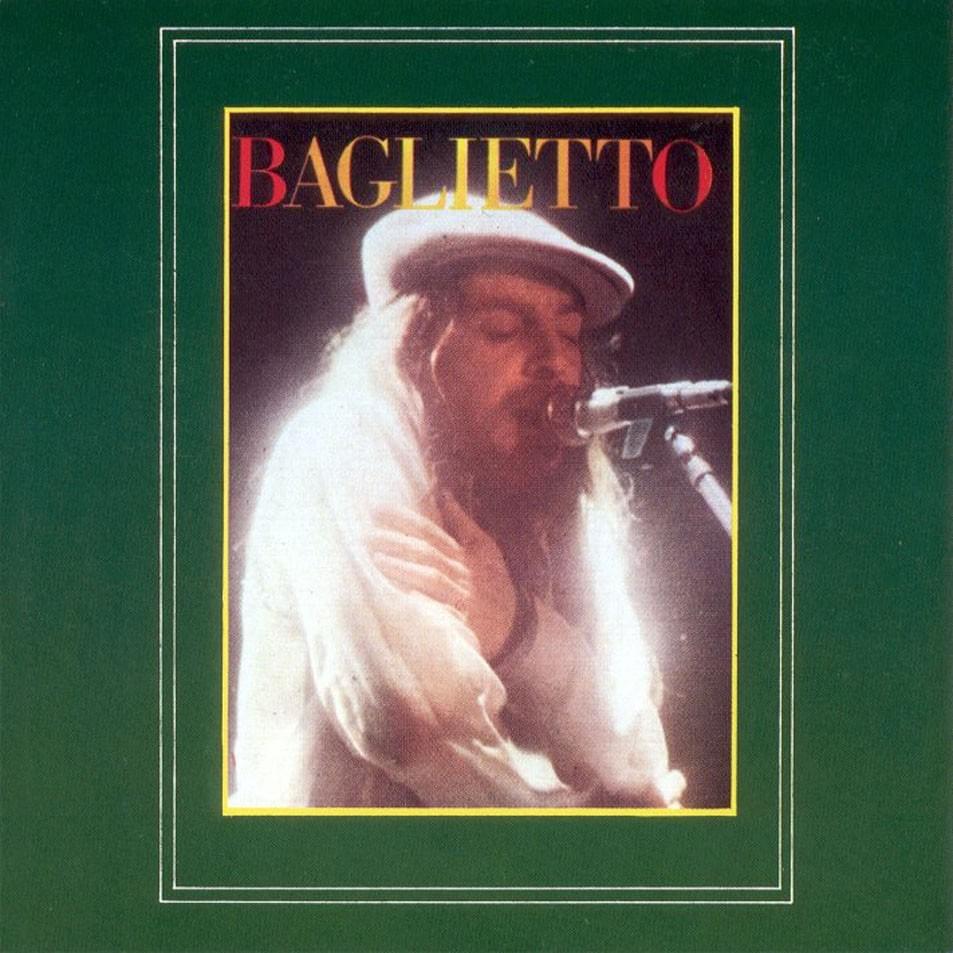
 View Artist