Song Meaning
The lyrics paint a picture of a complicated, almost weary desire. The narrator observes something or someone with an "almost like a brother" closeness, yet it's tinged with a "tired way" of lust. This juxtaposition creates an immediate sense of unease, suggesting a connection that is both intimate and perhaps forbidden or unsettling.
The central tension seems to lie in the narrator's struggle to reconcile this ambiguous feeling with a declared "love for only you." The desire is described as something "so good I ought to / Celebrate," implying its inherent value, but its expression is framed by the unsettling "brother" comparison and the "tired" lust. This internal conflict makes the subsequent declaration of love feel less like a simple affirmation and more like an attempt to control or define a complex, perhaps unwanted, attraction.
The most striking craft element is the unexpected comparison of lust to a "brother laying with you in a quiet place." This image is jarring, subverting typical romantic or sexual imagery with a familial, almost platonic closeness. It suggests a deep, shared history or comfort that has become entangled with a more carnal, yet subdued, impulse. The phrase "tired way" further complicates the lust, implying it's not a fresh, vibrant passion but something worn down, perhaps by circumstance or internal conflict.
This lyrical approach is effective because it taps into the messiness of real human emotions. It doesn't offer easy answers or clean declarations. Instead, it presents a raw, introspective moment where desire and affection are blurred, and the narrator is left grappling with the implications of their own feelings. The quiet, almost whispered tone of the latter lines, especially the simple "Oh, I do," feels like a quiet surrender to this complex emotional landscape, rather than a triumphant assertion.
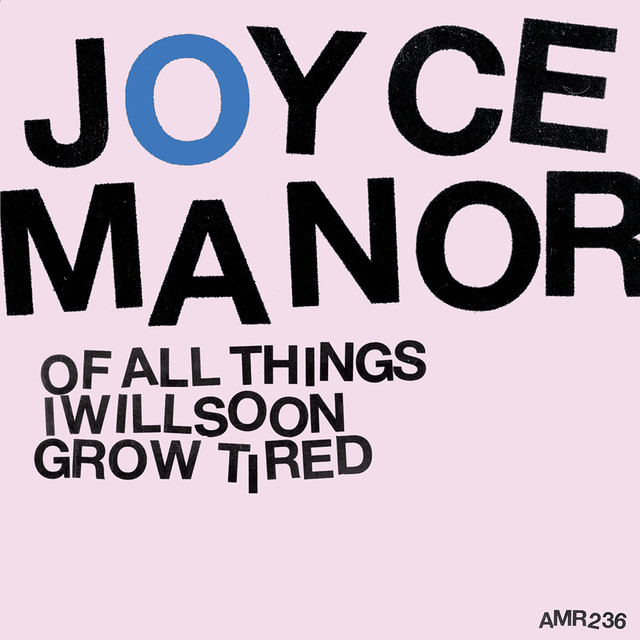
 View Artist