Song Meaning
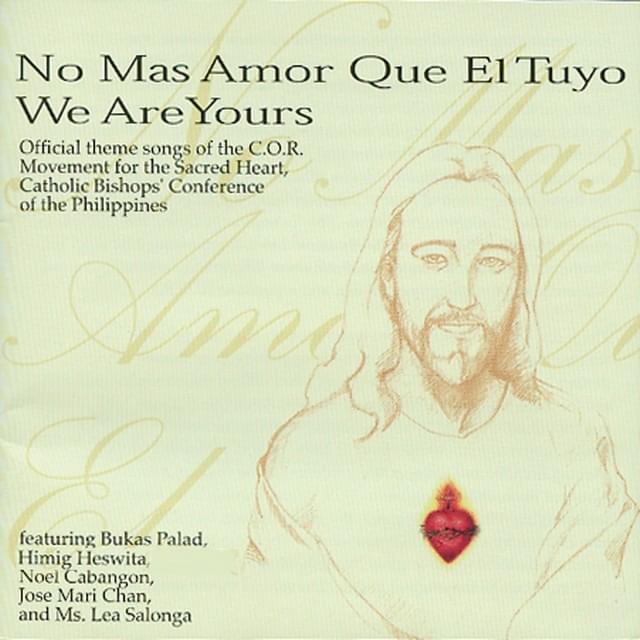
This song is a fervent declaration of devotion to a divine entity, presented as a collective offering from the Filipino people. The opening lines immediately establish a singular, unparalleled love: "No más amor que el tuyo" (No more love than yours), setting a tone of absolute adoration. The lyrics paint a picture of this love being offered universally, from "templos y en hogares" (temples and homes), and spoken in "nuestra lengua" (our tongue), emphasizing a deeply ingrained, nationalistic faith.
The central tension arises from the anticipation of this divine power's reign, described as an "imperio en el Oriente" (empire in the East). This reign is presented as an unshakeable force, with faith likened to "el sol ardiente" (the burning sun) and "la roca firme" (the firm rock). The lyrics assert that "la iniquidad no puede / Ser de estas islas dueña" (iniquity cannot be mistress of these islands), framing the divine presence as a protective shield against evil. The powerful declaration, "Las puertas de] infierno / No prevalecerán" (The gates of hell shall not prevail), reinforces this protective, triumphant aspect of the faith.
The most striking aspect of the craft is the sheer scale and geographical scope of the devotion. The promise of divine reign extends "De Aparrí hasta Jolo" (From Aparri to Jolo), encompassing the entire Philippine archipelago. This repetition, particularly in the final stanza, hammers home the totality of the commitment and the vastness of the territory claimed for this divine dominion. The imagery of a "celestial enseña" (celestial banner) being raised on mountains further solidifies the idea of a spiritual conquest and ultimate victory.
What makes these lyrics resonate is their unyielding conviction and the powerful, almost martial, language used to describe spiritual belief. The comparison of faith to natural, immutable forces like the sun and rock, coupled with the defiant stance against hell, creates an anthem of unwavering spiritual fortitude. The collective voice of "El pueblo filipino" (The Filipino people) lends a sense of communal strength and shared purpose to this profound expression of faith and anticipated divine authority.
 View Artist