Song Meaning
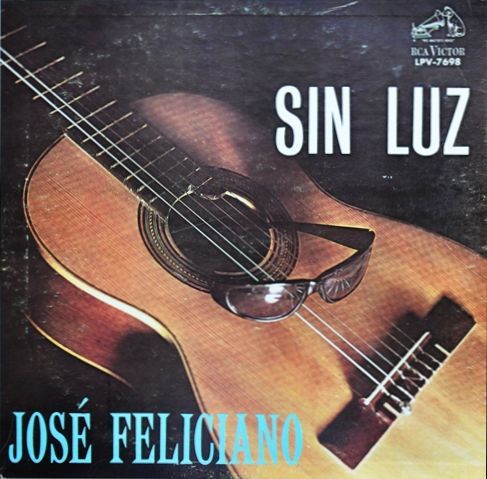
José Feliciano's "Sin Luz" isn't just a song; it's a raw, unflinching portrait of enduring spirit painted against a backdrop of profound sensory deprivation. The literal translation, "Without Light," immediately plunges us into a world defined by absence – the absence of sight. The singer laments never having seen the sky, the sun, or the verdant fields, a primal loss that infuses every line with a poignant ache. This isn't mere sadness; it's a grappling with existential limitations. The lyrics describe a life tinged with bitterness, a feeling of being suffocated by perpetual darkness, both literal and metaphorical. Feliciano masterfully conveys the psychological weight of such a condition. The darkness isn't just a physical reality, it's a representation of the world's cruelty, its attempts to shatter his peace. It's a testament to the human capacity for resilience. Despite the world's attempts to break him, the singer finds an unshakeable inner peace. This isn't blind optimism, but a deep-seated faith in an ultimate solace. The song builds toward a vision of eternity where the singer anticipates finally seeing his "little piece of heaven." This longing for a future resolution, a moment of ultimate sight, transforms "Sin Luz" from a lament into a powerful declaration of hope. It suggests that even in the deepest darkness, the human spirit can find its own light, fueled by faith and the promise of a brighter tomorrow. Ultimately, the song's meaning resides in its exploration of resilience, faith, and the enduring power of the human spirit to find light even in the most profound darkness.
 View Artist