Song Meaning
José Feliciano's "El Ciego" isn't just a ballad; it's a raw exposure of vulnerability, a heart laid bare in the face of devastating loss. The song meaning isn't hidden; it bleeds through every melancholic note and carefully chosen metaphor. Feliciano uses the image of a blind man yearning for the sunrise as a stark representation of unfulfilled desire and the painful awareness of what's missing. This is not just sadness, but a profound sense of deprivation, amplified by the inability to even witness the beauty that others take for granted.
The lyrics paint a series of desolate scenes: a fountain drained of its joy, birds lamenting a lost nest, the setting sun signaling the death of the day. Each image mirrors the singer's internal state, a world rendered bleak and empty by the absence of a loved one. The recurring line, "Es la cosa mas triste de este mundo / Y así me siento yo, por ti, solo por ti" (It's the saddest thing in the world / And that's how I feel, for you, only for you), drives home the all-consuming nature of this sorrow. It's a personal hell crafted from longing and regret.
But beyond the surface lament, "El Ciego" hints at a deeper psychological dimension. The repeated warnings – "No mires" (Don't look) – suggest a defense mechanism, a desperate attempt to shield oneself from further pain. The singer seems to be saying that some forms of beauty, some experiences, are simply too agonizing to witness when one is already broken. The image of the moon suffering when no lovers are there to contemplate it speaks to a universal human fear: that our emotions, our experiences, will be rendered meaningless if they are not shared. Feliciano masterfully captures this existential dread, transforming a simple love song into a powerful meditation on loss, longing, and the fragile nature of human connection. The lyrics analysis reveals not just heartbreak, but a soul wrestling with its own vulnerability.
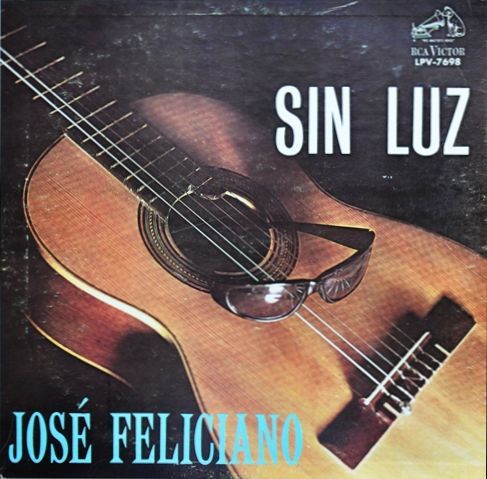
 View Artist