Song Meaning
The lyrics paint a stark picture of time's relentless march and its eventual erosion of all things, even life's most vibrant elements. The opening lines immediately establish a sense of unease, with time itself becoming "alert," suggesting a constant state of vigilance against an encroaching darkness. This isn't a gentle passage of seasons, but a struggle where "no light resists / the blind night." The imagery shifts to natural decay: a rose losing its scent and color, the orange blossom falling to an "uncertain grave." This sets a somber, inevitable tone, where beauty and vitality are fleeting.
The central tension lies in the overwhelming power of time and decay against any form of resistance or permanence. The repeated motif of falling "flower from the orange tree" to an "uncertain grave" underscores this fragility. Even powerful forces, like the "strongest" ship facing storms or the natural world's cycles, are ultimately subject to this dissolution. The lyrics question the efficacy of any effort against this tide, stating "neither the flight of the kestrel... nor the gull's route... nor all the strength of the sail... breaks the prow of the strongest." This suggests a profound sense of futility in the face of inevitable decline.
The most striking craft element is the personification of time and its gradual loss of human faculties. Time "gets used to" its state, then "gets accustomed" to a "deep grave," implying a passive acceptance of its own end. Later, time "loses its speech / and loses its laughter / loses its love." This transformation from an active, perhaps even vigilant, force to one that is silenced and devoid of emotion is deeply affecting. The natural imagery of water washing away "mud," "war," and "lama" (mud/mire) offers a brief, almost spiritual cleansing, but it's ultimately overwhelmed by the pervasive sense of loss and the earth becoming a "bed and sepulchre."
These lyrics resonate because they tap into a universal human awareness of mortality and the impermanence of existence, but they do so with a unique, almost detached, poetic precision. The focus isn't on personal grief but on a grand, elemental process of decay. The imagery is concrete yet carries a heavy metaphorical weight, making the abstract concept of time's passage feel tangible and deeply melancholic. The final lines, where time itself loses its capacity for expression and affection, leave a chilling impression of ultimate emptiness.
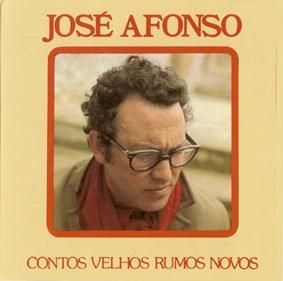
 View Artist