Song Meaning
The lyrics paint a stark picture of a soldier in the midst of brutal conflict, questioning the value of his suffering. He directly addresses his mother, expressing a profound weariness and a sense of being cheated by the experience: "My mother, since I don't die / In view of this carnage / I consider the trip poorly paid." This opening immediately establishes a tone of disillusionment and a desperate desire to escape the horrors he's witnessing. The narrator feels disconnected from his life outside the war, unsure of his family or the woman waiting for him, amplifying his urgent plea to leave the "war" at "this very instant."
The central tension lies in the narrator's overwhelming fear and his struggle against it, a fear that seems to paralyze him. He invokes a visceral image of his uncle's "flesh" trembling, suggesting a shared vulnerability or perhaps a grim acknowledgment of the pervasive danger. The narrator contrasts his current terror with past anxieties, noting, "Now I have fear / Like when I was a boy / And they tied my arms." This reveals a regression to childhood helplessness, triggered by the "fears of the Divine verb," implying a crisis of faith or a profound existential dread that the war has unearthed. The plea "Lift iron, my body / See if you can take a step" underscores his physical and mental inability to move forward, trapped by his own "fear."
A striking element is the narrator's complex relationship with divine and familial support, which he seems to reject out of desperation. He prays "two thousand Hail Marys" but simultaneously invokes "a thousand devils," a contradictory plea that highlights his fractured state. He asks for deliverance from "your cares," suggesting that even the comfort of loved ones feels like a burden when he's facing such extreme circumstances. The lyrics "So may they care for my bones / Be they a thousand devils" reveal a cynical resignation, where even damnation is preferable to the current torment, or perhaps a desperate bargaining with forces beyond his understanding.
Ultimately, the effectiveness of these lyrics stems from their raw, unflinching portrayal of existential terror and the breakdown of the self under extreme duress. The narrator's direct address, the visceral imagery of "carnage" and trembling flesh, and the stark contrast between his current fear and past anxieties create an immediate and potent emotional impact. The final lines, "So little can nature / In these mortal affronts / That a man dies a thousand times / A thousand and one is already too much," encapsulate the overwhelming nature of his suffering, suggesting that the psychological toll of war far exceeds any physical endurance, leaving the spirit irrevocably broken.
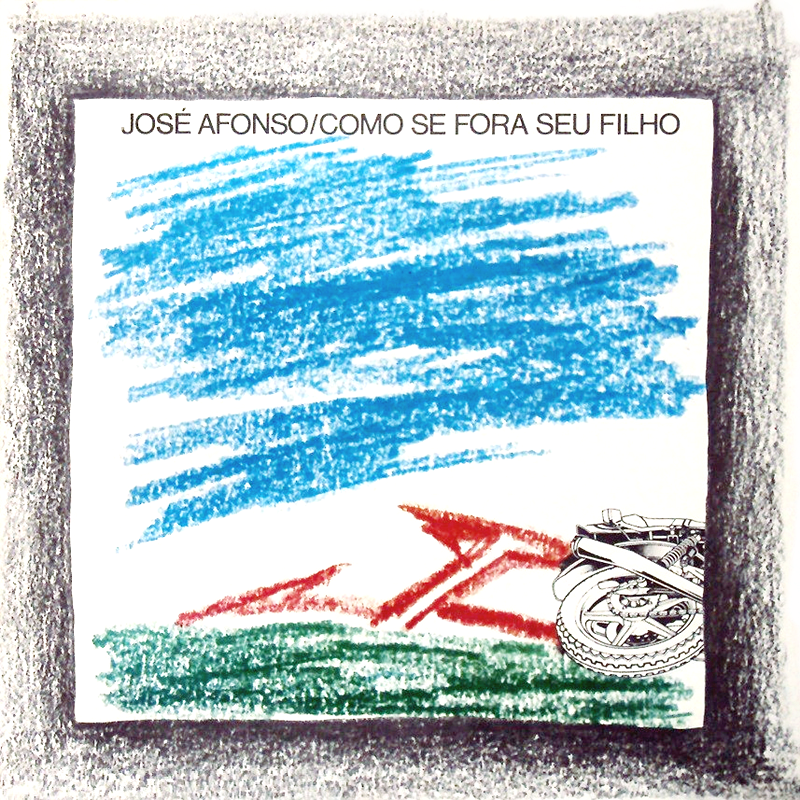
 View Artist