Song Meaning
The lyrics paint a vibrant picture of anticipation and friendly rivalry centered around the act of samba. The repeated invitation, "Rosa, menina Rosa, Vem que eu quero ver você sambar," establishes a playful, almost challenging tone. It’s a direct call to action, setting the stage for a performance where Rosa is the star.
The central tension emerges from a whispered rumor: "Me disseram que você, menina Rosa, Samba demais." This suggests Rosa is an exceptional dancer, perhaps even the best. However, the narrator immediately counters this with a confident boast, "Mas o meu samba vai lhe passar pra trás," introducing a competitive edge to the admiration. This dynamic creates an engaging push-and-pull between acknowledging Rosa's skill and asserting one's own.
The craft here lies in the simple, direct language and the insistent repetition that mirrors the rhythm of samba itself. Phrases like "teu samba tem mistério" and "é gostoso de sambar" evoke sensory pleasure and intrigue, making the dance itself the focus. The narrator’s claim that their own samba also "tem mistério" and is "gostoso de sambar" directly mirrors the description of Rosa’s dancing, highlighting the shared passion and the nature of their competition.
This lyrical exchange works because it captures a specific, relatable social dynamic: the spirited challenge between talented peers. It’s not malicious, but rather a celebration of skill expressed through playful one-upmanship. The focus remains on the joy and artistry of samba, making the underlying rivalry feel more like an invitation to a dance-off than a genuine conflict.
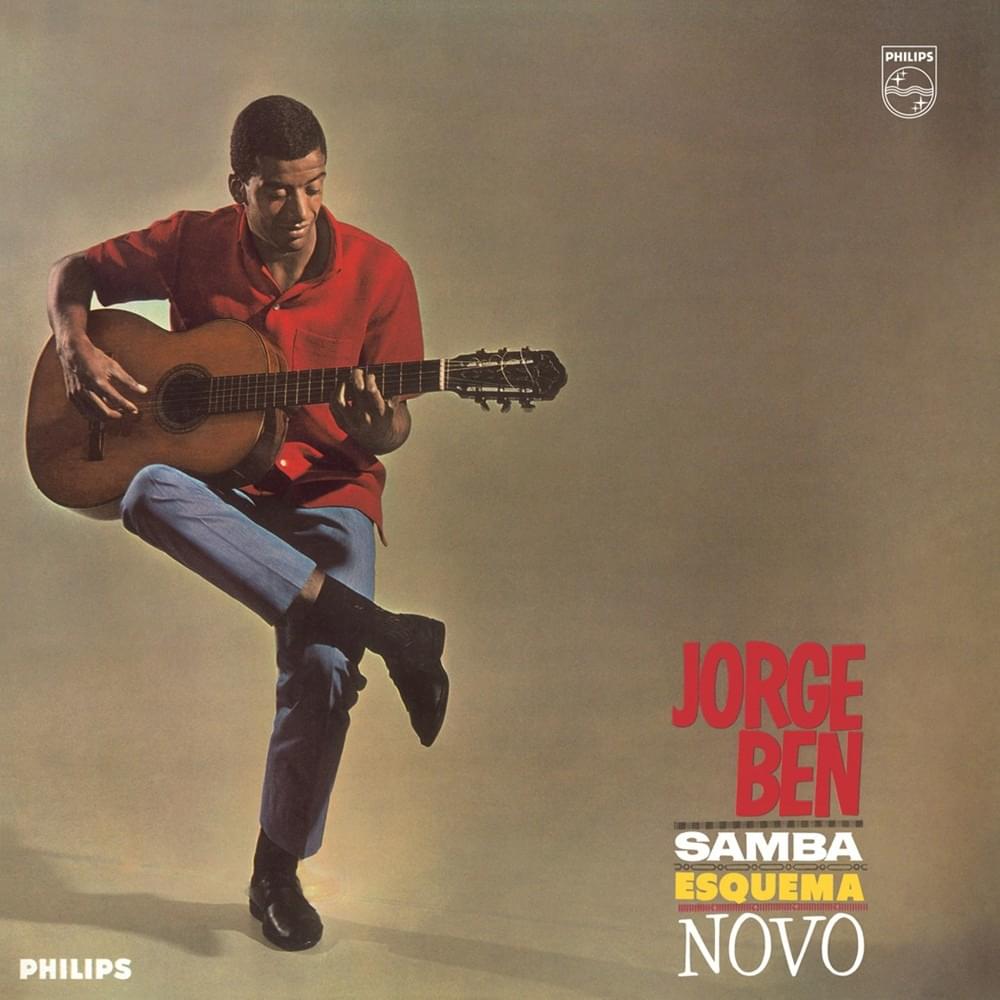
 View Artist