Song Meaning
The lyrics paint a picture of intense, unrequited affection directed at Maria Luiza. The opening, "Buenos dias mi amor," immediately establishes a tender, intimate address, yet it's immediately undercut by the repeated, almost possessive "Que rica, que rica bandida, bandida." This contrast suggests a love that's both deeply felt and perhaps a little obsessive, tinged with the frustration of an "outlaw" or a "rascal" who won't fully yield.
The narrator finds solace in poetry, taught by a stranger who recognized their sadness. This external validation, the "lindas poesias," becomes a tool for expressing their devotion: "Y ese alguien eres tu mi amor." The act of singing these verses to Maria Luiza is an attempt to bridge the emotional distance, transforming learned beauty into personal plea. The image of the dropped handkerchief, "Deja caer tu puñuelo perfumado," is a classic trope of longing, a tangible request for a sign, a way to "secar mis lagrimas" from her "indiferencia."
The recurring "Bandida" functions as both an endearment and an accusation, highlighting the object of affection's elusive nature. The narrator is caught in a cycle of waiting, "Esperando por tu sonrisa, Esperando por tu cariño, Esperando por tu amor." The repetition emphasizes the depth of their yearning and the painful passivity of their position. The lyrics suggest a love that is both beautiful and agonizing, fueled by the hope that tomorrow might bring a change, even as the present is defined by solitary waiting on a familiar path.
This is a portrait of devotion bordering on obsession, where the narrator's world revolves around Maria Luiza's indifferent presence. The poetic language and the desperate plea for a dropped handkerchief underscore the romantic, almost theatrical nature of this unreturned affection. The effectiveness lies in its raw, almost childlike vulnerability, juxtaposed with the sophisticated imagery of perfume and poetry, all centered on the painful rhythm of waiting for a love that may never arrive.
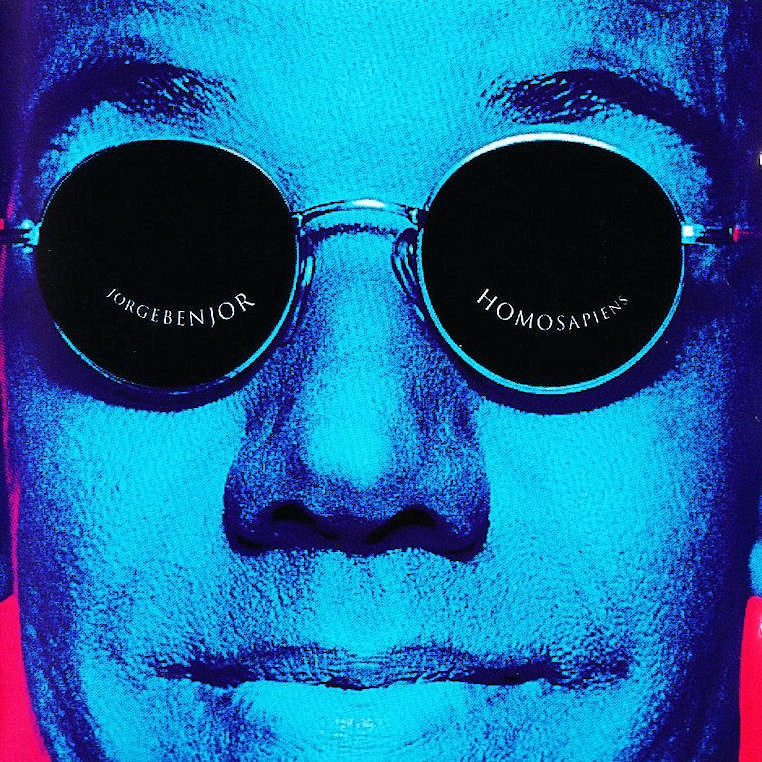
 View Artist