Song Meaning
The lyrics paint a vivid picture of a lively village gathering, where the energy is so high that it's almost palpable. The narrator observes the scene, noting how the "lakk de hulaare" (hip movements) of a woman outshine any other spectacle, even those from "dujje pind" (other villages). This sets a tone of boisterous celebration and a focus on a captivating presence amidst the revelry. The dominant emotion is one of unrestrained joy and a desire to let loose.
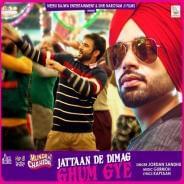
The central tension seems to revolve around the overwhelming excitement of the moment, personified by the repeated phrase "jattan de dimag ghum gye" (the minds of the Jatts have spun). This isn't necessarily negative; it suggests a complete surrender to the atmosphere, fueled by "sharaab" (alcohol) and the infectious rhythm. The plea "ajj na nachan ton roki" (don't stop us from dancing today) underscores this urge to be uninhibited, highlighting a temporary suspension of normal behavior in favor of pure, unadulterated fun.
A particularly striking element is the imagery of the "bhangde" (a vigorous Punjabi folk dance) happening "table'an te chadh ke" (climbing onto tables), illustrating the sheer abandon. The line "Thauru ponto bina mutiyare / Ni mittran nu koyi kamm ni" (Without your presence, girl, our friends have no other business) cleverly ties the entire chaotic energy back to the woman's allure. Her presence is the catalyst, making everything else secondary and amplifying the celebratory mood to a point where "dimag ghum gye" becomes the defining characteristic of the night.
What makes these lyrics resonate is their raw, unvarnished depiction of communal joy and attraction. The language is direct and evocative, capturing the feeling of being swept up in a moment where inhibitions are shed. The focus on physical movement, the intoxicating atmosphere, and the magnetic pull of a central figure combine to create a potent sense of exhilaration that feels both specific to the scene and universally understood as the peak of a good time.
 View Artist