Song Meaning
Johnny Winter's "Leland Mississippi Blues" isn't just a geographical marker; it's a primal scream of homecoming and restless spirit intertwined. The opening, a jarringly direct address – "Don't mess up slut and I won't either" – throws down a gauntlet of raw honesty, a refusal to sanitize the blues experience. This isn't polite company; this is the gut-level reckoning of a man returning to his roots, but on his own damn terms. The repeated assertion of being "on the run" from Texas hints at a past, perhaps troubles or failed relationships, that he's consciously leaving behind, seeking solace and identity in the Mississippi Delta. Leland isn't just a place; it's a psychic anchor.
The lyrics oscillate between a yearning for connection and an almost defiant independence. He declares himself "alone, baby, and I'm free from harm," suggesting a hard-won solitude, a liberation achieved through distance from whatever held him back. Yet, the verses also pulse with a desire for intimacy: "Come here, baby, let your long hair down." It's a classic blues trope – the simultaneous pull of the open road and the warmth of a woman's embrace. The imagery of his "daddy's cotton farm" evokes a past both grounding and potentially stifling. It's the source of his identity, the soil from which he sprung, but also perhaps a symbol of the limitations he's trying to escape. This push-pull creates the central tension of the song meaning.
Ultimately, "Leland Mississippi Blues" is a study in contradiction. The final verse, with its boast about "the best waist in town," reinforces the transient nature of his desires. He acknowledges, "you'll never keep me, woman, 'cause I have a travelin' mind." This isn't just about physical travel; it's about a restless spirit, an inability to be contained by place or person. The blues, in Winter's interpretation, become a vehicle for expressing this internal conflict – the longing for home and connection forever at odds with the unquenchable thirst for freedom and the open road. The song’s power lies in its raw, unvarnished portrayal of this uniquely American paradox.
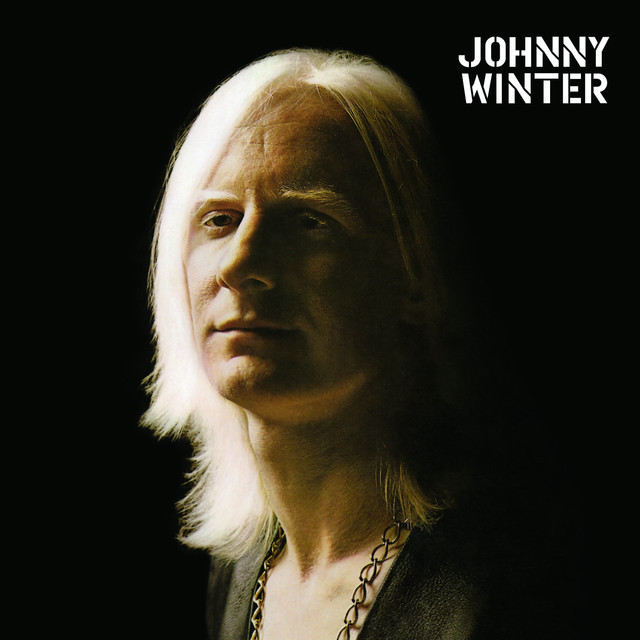
 View Artist