Song Meaning
Johnny Winter's "Ain't Nothing to Me" isn't a blues lament about personal heartbreak; it's a masterclass in detached observation, a cynical shrug delivered with blistering guitar licks. The song meaning resides not in the singer's emotional investment, but in his complete lack thereof. He's a narrator watching a predictable tragedy unfold in a bar, a Greek chorus in denim and leather. He warns a naive "buddy" away from a dangerous woman, not out of altruism, but with the weary understanding of someone who's seen this play out too many times before. The opening lines, "Take your drink to the end of the bar buddy / Come on, now don't be a fool," drip with world-weariness. He knows the score.
The repeated line, "It ain't nothin to me," becomes the song’s chilling thesis statement. It's not just indifference; it's a defense mechanism. The narrator has likely witnessed enough violence and stupidity to build an emotional wall. He predicts the escalating conflict with unnerving accuracy, describing the jealous boyfriend and the inevitable outcome: "There you are stretched out on the floor buddy / Ya see what you made him do." There's no shock, no sadness, only a fatalistic acceptance.
The song's brilliance lies in its understated portrayal of toxic masculinity and the bystander effect. The narrator isn't involved, but his presence amplifies the tragedy. He offers warnings, but ultimately remains passive. The final lines, "Ah well that's life / Ah at least it was," are delivered with a dark humor that's both unsettling and captivating. "Ain't Nothing to Me" isn't just a blues song; it's a psychological study of apathy and the human capacity to distance oneself from the suffering of others.
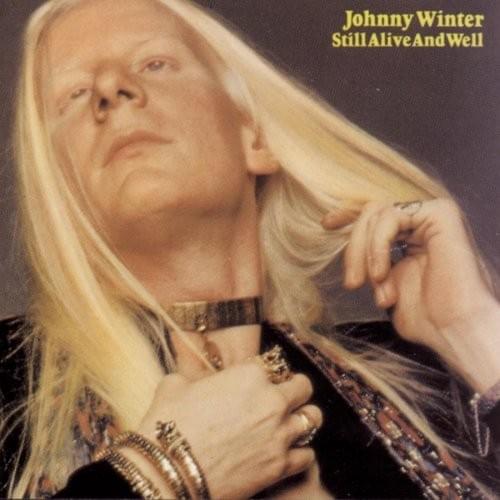
 View Artist