Song Meaning
Johnny Paycheck's "I've Seen Better Days" isn't just a lament; it's a masterclass in understated heartbreak. The deceptive simplicity of the lyrics belies a profound sense of loss, a gut-punch delivered with classic country restraint. The song's power lies in the stark contrast it paints between the idealized present and a remembered past. A picturesque scene unfolds – sunshine, clear skies, happy neighbors – a Norman Rockwell painting gone subtly, tragically wrong. This isn't a world the narrator can participate in; it's a constant, painful reminder of what he's lost.
The genius of the song meaning lies in its subversion of typical country tropes. Instead of wallowing in misery during a storm, the narrator finds solace and warmth. The 'better days' weren't sun-drenched and carefree; they were marked by pouring rain and the intimate embrace of his lover. This flips the script, suggesting that true connection and emotional depth are found not in superficial happiness, but in shared vulnerability during difficult times. The repetition of "I've seen better days" becomes a haunting mantra, a constant echo of a past that overshadows the present.
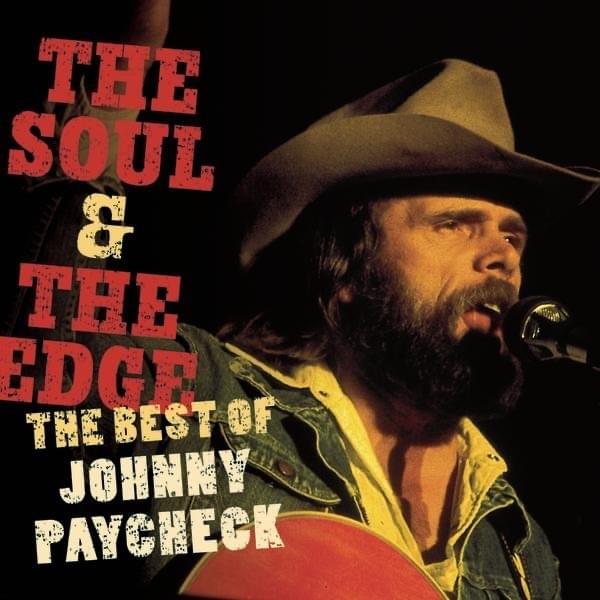
Paycheck's delivery, with its characteristic world-weariness, only amplifies the song's impact. He's not just singing about lost love; he's embodying the quiet desperation of a man adrift in a world that no longer holds meaning for him. The seemingly idyllic setting is, in reality, a prison of pleasantries, a constant reminder of the joy that has been irrevocably taken away. The "lollipops and good times" that resemble his own past only serve to twist the knife, highlighting the chasm between what is and what was. The song is a testament to the enduring power of memory and the lingering pain of a love lost, even when the sun is shining.
 View Artist