Song Meaning
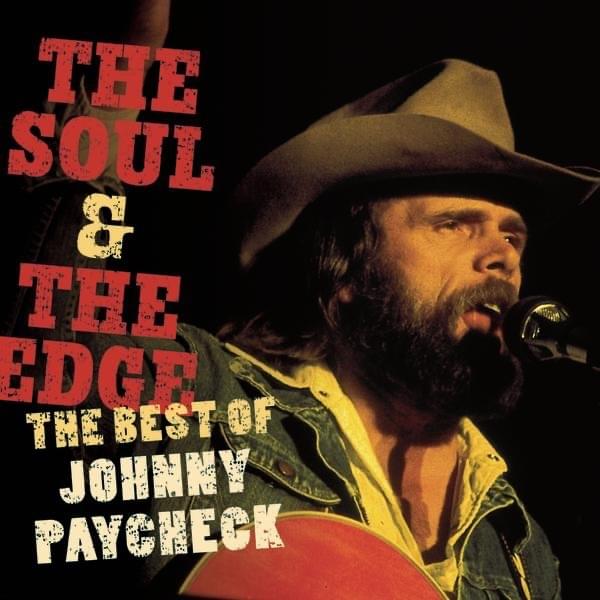
Johnny Paycheck, the working man's bard of barroom regret, distills a potent dose of romantic masochism in "I Can See Me Lovin' You Again." It's a song less about idealized love and more about the inescapable gravitational pull of a relationship that's clearly toxic. The opening line isn't a hopeful declaration; it's a weary admission. He's not blind to the pain, he anticipates it ("even though you'll hurt me now and then"), yet the heart, that stubborn engine of irrationality, overrides all logic. It's the kind of sentiment that breeds in the smoke-filled corners of late-night dives, where the memory of passion outweighs the present reality of heartache.
Paycheck doesn't dwell on the specifics of the relationship's demise, only hinting at a "fall." This ambiguity is key. The song isn't about *what* went wrong, but about the enduring power of memory and the human capacity for selective amnesia when it comes to affairs of the heart. The line "lovin' you just once was worth it all" isn't necessarily a testament to unparalleled bliss; it could just as easily be the bargaining chip used to justify repeated cycles of pain and reconciliation. The song's genius lies in its unflinching portrayal of this flawed calculus.
Ultimately, "I Can See Me Lovin' You Again" explores the self-destructive allure of familiar pain. The repetition of the title phrase isn't a triumphant chorus, but a mantra, a form of self-hypnosis designed to justify a course of action that any rational observer would condemn. The bittersweet melody, combined with Paycheck's world-weary vocals, elevates the song beyond simple heartbreak into a complex exploration of human vulnerability and the enduring power of even the most damaged connections. It's not a celebration of love, but an unflinching examination of its darker, more obsessive side.
 View Artist