Song Meaning
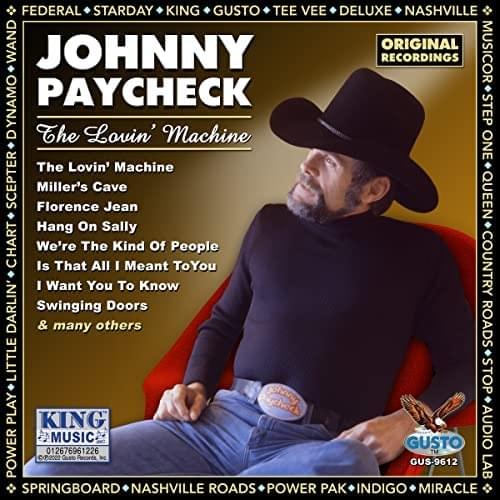
Johnny Paycheck's "Florence Jean" distills the agony of forbidden love into a potent three-minute country lament. The song's core resides in the bittersweet paradox of a passionate affair destined to end. The opening lines establish the finality of the moment, framing a goodbye kiss as both the "sweetest" and the last. This sets up the central conflict: a love so intense it feels eternal, yet so wrong it must be relegated to a "dream." The lyrics don't explicitly detail the circumstances that render the relationship illicit, but the implication of infidelity hangs heavy, suggesting the singer is torn between passion and commitment. This tension fuels the song's emotional core.
Paycheck doesn't shy away from self-awareness. He acknowledges, "Though you knew that we were wrong, still you loved me just the same," hinting at Florence Jean's unwavering devotion despite the inherent moral compromises. The singer's impending return "to the one that has my name" underscores his internal struggle. He's not merely abandoning Florence Jean; he's betraying a part of himself, sacrificing desire for duty. This creates a complex dynamic where Florence Jean isn't just a lover, but a symbol of a life unlived, a path not taken. The repetition of "become a dream" emphasizes the permanence of the loss, solidifying the transition from tangible reality to wistful memory.
The final verse underscores the mutual awareness of their transgression. The phrase "stolen love" lays bare the illicit nature of their bond. However, it's not presented with shame, but with a tinge of reverence for Florence Jean's willingness to defy convention for love. The line, "To do a thing like that oh how you must have cared for me," is the song's most poignant moment, acknowledging the depth of her sacrifice. The closing refrain, "How I'll miss you darling Florence Jean," is a simple, yet devastating admission, encapsulating the enduring ache of a love that could never be. In essence, the song meaning revolves around regret, longing, and the haunting knowledge of what could have been. "Florence Jean" isn't just a country ballad; it's a miniature study of the human heart caught between desire and obligation.
 View Artist