Song Meaning
Johnny Paycheck's "Close All the Honky Tonks" isn't just a lament; it's a primal scream of codependency disguised as a country ballad. The song meaning hinges on the narrator's desperate, and frankly unrealistic, attempt to control his lover's behavior by eliminating the environment where she feels most alive. He doesn't address the root cause of her wanderlust or consider his own role in the relationship's demise. Instead, he externalizes the problem, casting the honky-tonk as the villain. It's a classic case of blaming the escape route rather than the reason for escaping. The lyrics paint a picture of a man clinging to the past, wishing he could "turn back the time" to when she was "all mine," revealing a possessive streak that likely contributed to her need for freedom in the first place.
The repeated plea to "close all the honky tonks, lock all the doors, throw away the key" highlights the narrator's profound sense of helplessness. It's a childish demand, akin to a toddler throwing a tantrum, revealing a deep-seated insecurity and an inability to cope with the loss of control. The honky-tonk, in this context, becomes a symbol of everything he can't offer: excitement, social connection, and a sense of belonging outside of their relationship. It's a place where she finds validation that he seemingly cannot provide. The idea that closing these establishments will magically restore their love is not just naive; it speaks to a fundamental misunderstanding of human psychology.
Ultimately, "Close All the Honky Tonks" is a poignant, if somewhat disturbing, exploration of the darker side of love. It's a cautionary tale about the dangers of possessiveness, the futility of trying to control another person's happiness, and the self-deception that often accompanies heartbreak. Paycheck's raw, emotive delivery amplifies the song's underlying desperation, transforming it from a simple country tune into a stark portrayal of a man grappling with abandonment and his own inadequacy. The song's enduring appeal lies in its unflinching honesty about the less-than-noble aspects of romantic relationships.
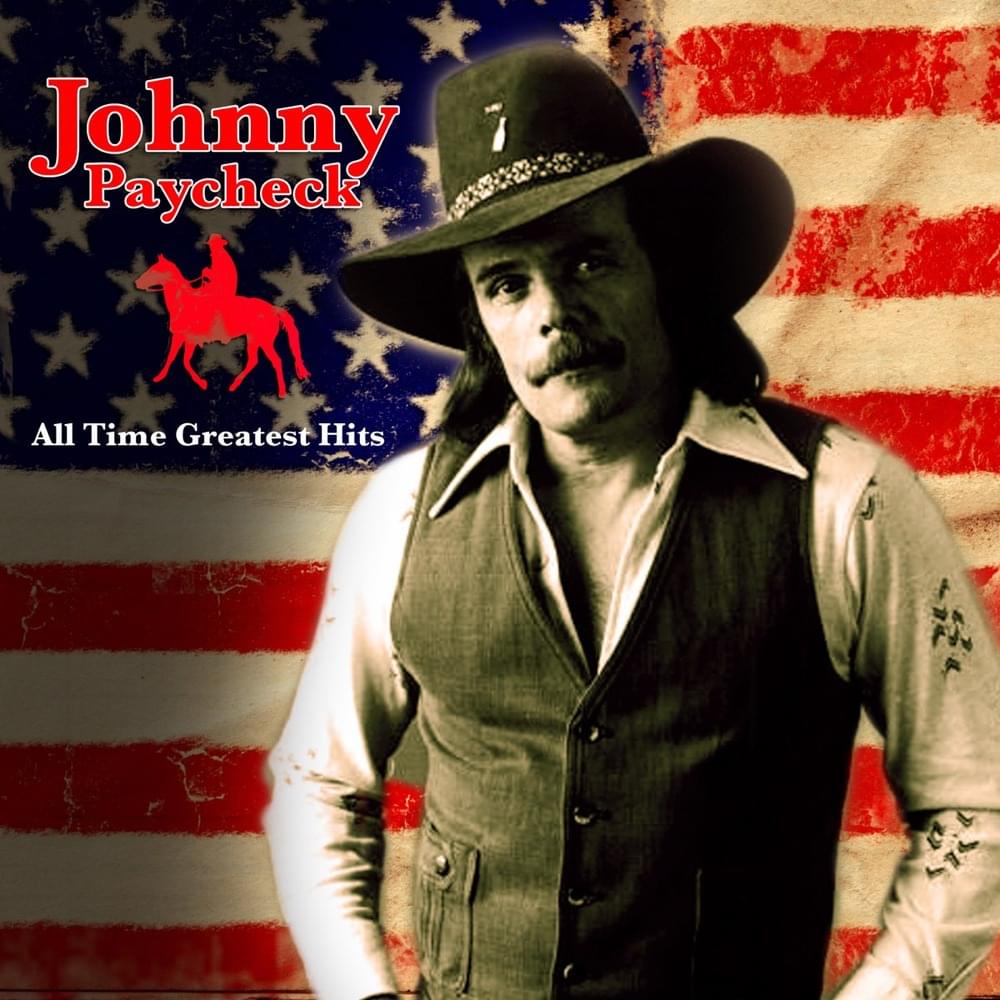
 View Artist