Song Meaning
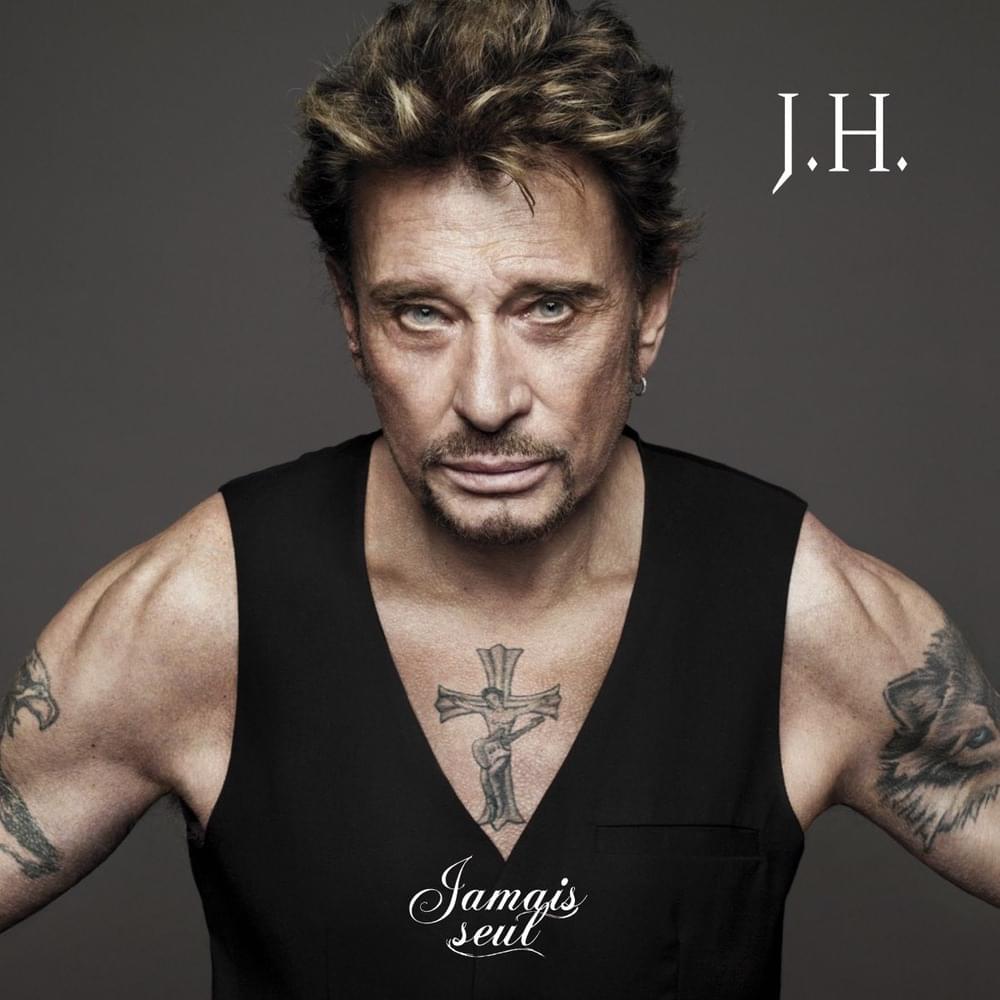
Johnny Hallyday's "Jamais Seul" isn't a simple declaration of independence; it's a nuanced exploration of the paradox of loneliness in a crowded world. The opening lines immediately establish this tension: a flight from boredom, yet an embrace of solitude. This isn't about rejecting human connection outright, but rather about rejecting the soul-crushing weight of routine and the stifling nature of certain behaviors ("C'est pas toi qui me nuis / Mais tes attitudes"). It's the classic rock and roll lament of feeling trapped, but with a distinctly French existential twist. Hallyday, the iconoclastic showman, lays bare the vulnerability beneath the bravado.
The core refrain, "Jamais Seul," repeated mantra-like, is not to be taken at face value. It's a defiant assertion against the crushing weight of perceived isolation. The line "Seul / Au milieu de tous" (Alone in the midst of everyone) encapsulates the song’s central theme: the profound disconnect one can experience even when surrounded by people. This speaks to a deeper longing for authentic connection, a yearning to be truly seen and understood, rather than simply existing within a crowd. It's the kind of loneliness that festers not from a lack of company, but from a lack of genuine resonance with others.
The latter verses delve into the mechanisms Hallyday uses to cope with this internal conflict. The imagery of flight ("J'ai toujours pris l'envol") and high places ("Là-haut sur le col / De ma solitude") suggests a desire to escape, to find clarity and perspective in isolation. However, even this escape is tinged with melancholy, symbolized by the final drink ("Ce dernier verre d'alcool / C'est ma solitude"). The song, ultimately, is a raw and honest portrayal of the internal battle between the need for connection and the desire for autonomy, a struggle that defines the human condition itself.
 View Artist