Song Meaning
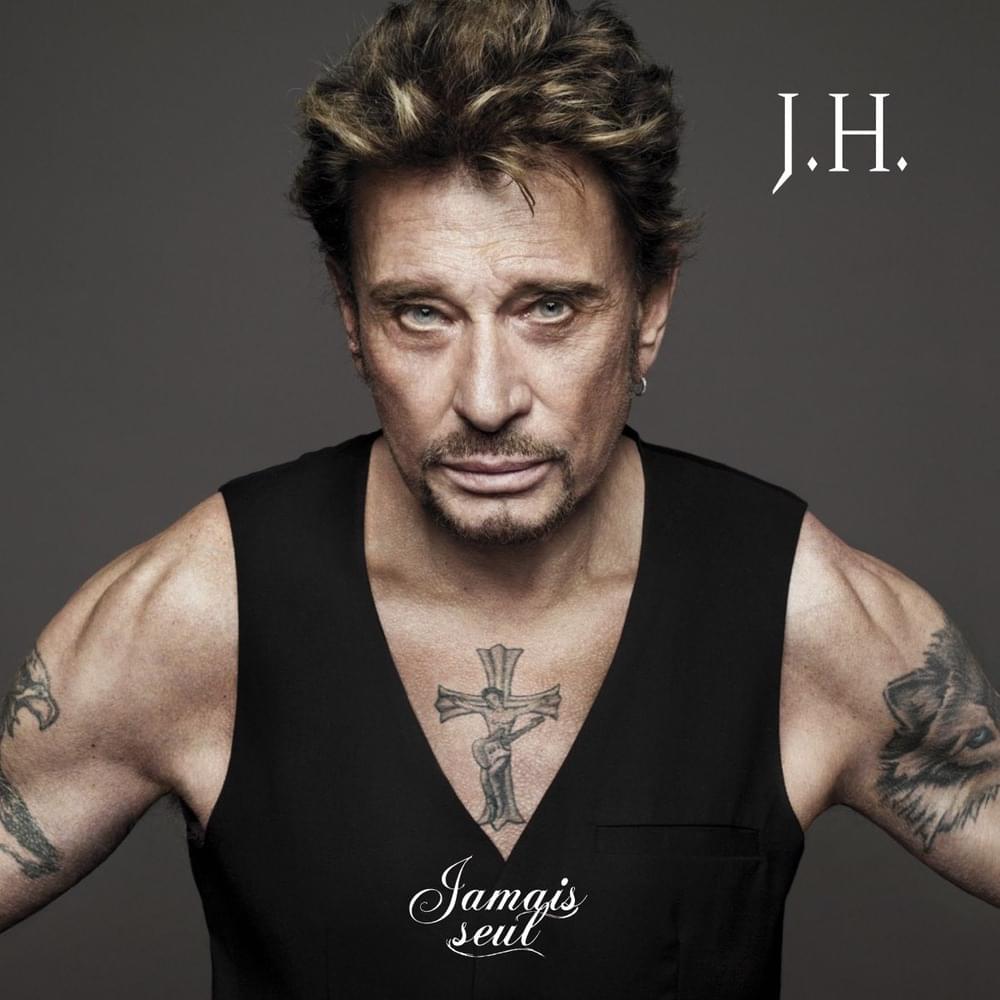
{"song_id": 11017901, "meaning": "Johnny Hallyday's \"Dandy\" isn't just a self-proclamation; it's a defiant stance against the relentless march of time and the expectations of aging. The repeated mantra, \"Dandy dandy, je suis resté\" (\"Dandy dandy, I have remained\"), underscores a commitment to a particular persona, a refusal to succumb to the perceived indignities of getting older. It's less about vanity and more about maintaining an essence, a core identity in the face of societal pressures to conform. The lyrics betray a subtle awareness of the world changing around him.
The lines, \"C'est les enfants qui ont grandi, C'est pas moi qui rajeunis, Ce sont les enfants qui ont vieilli\" (\"It's the children who have grown up, It's not me who's getting younger, It's the children who have aged\"), hint at an almost detached observation of the aging process in others, further reinforcing the dandy's self-imposed removal from the conventional timeline. The claim \"Ma beauté vaut cent ladies\" (\"My beauty is worth a hundred ladies\") isn't necessarily an arrogant boast, but rather a hyperbolic expression of self-worth, a shield against the insecurities that aging can bring. It's about projecting an image of timelessness, even if the reality is more complex.
The phrase \"Malgré lui...\" (\"Despite himself...\") added at the very end, suggests a deeper conflict. Perhaps the dandyism is not entirely a conscious choice, but a coping mechanism, a way to navigate the anxieties of aging within a culture that often equates youth with value. The song's meaning resides in this tension: the performance of the dandy as both a celebration of individuality and a possible defense against vulnerability. Hallyday, through this persona, explores the psychological complexities of aging, identity, and the struggle to remain relevant in a world obsessed with novelty."}
 View Artist