Song Meaning
Johnny Cash's "Troublesome Waters" is less a song than a stark testament to faith as a bulwark against existential dread. The “troublesome waters” themselves are a well-worn metaphor, but Cash imbues them with a uniquely personal weight. These aren't just vague anxieties; they're "blacker than night,” suggesting a profound and consuming darkness. The harbor's "bright lights" are visible, yet inaccessible, emphasizing a sense of isolation even within reach of potential solace. The song isn't about overcoming obstacles through sheer grit. It's about the surrender to a higher power amidst the overwhelming "turmoil of life's stormy sea."
The recurrent plea, "have mercy on me," underscores a vulnerability that cuts against Cash's often-impenetrable persona. This isn't a stoic gunslinger staring down death, but a man openly acknowledging his helplessness. The repeated assurance of feeling "the touch of his hands guiding my boat" speaks to a deep-seated need for reassurance, a tangible connection to the divine in the face of chaos. The image of being guided "safely to land" isn't just about physical salvation; it's about finding peace and direction in a world that feels inherently hostile.
Beyond personal salvation, "Troublesome Waters" also extends to a concern for others, with “loved ones…drifting and living in sin.” This adds a layer of moral urgency to the song. It is not enough for Cash to secure his own passage to "heaven's bright shore." He is also burdened by the fate of those caught in "treacherous whirlpools." This sense of responsibility, coupled with the unwavering faith in divine intervention, paints a picture of a man grappling with both his own mortality and the moral weight of the world around him. The song, then, becomes a prayer, a lament, and a declaration of faith all rolled into one.
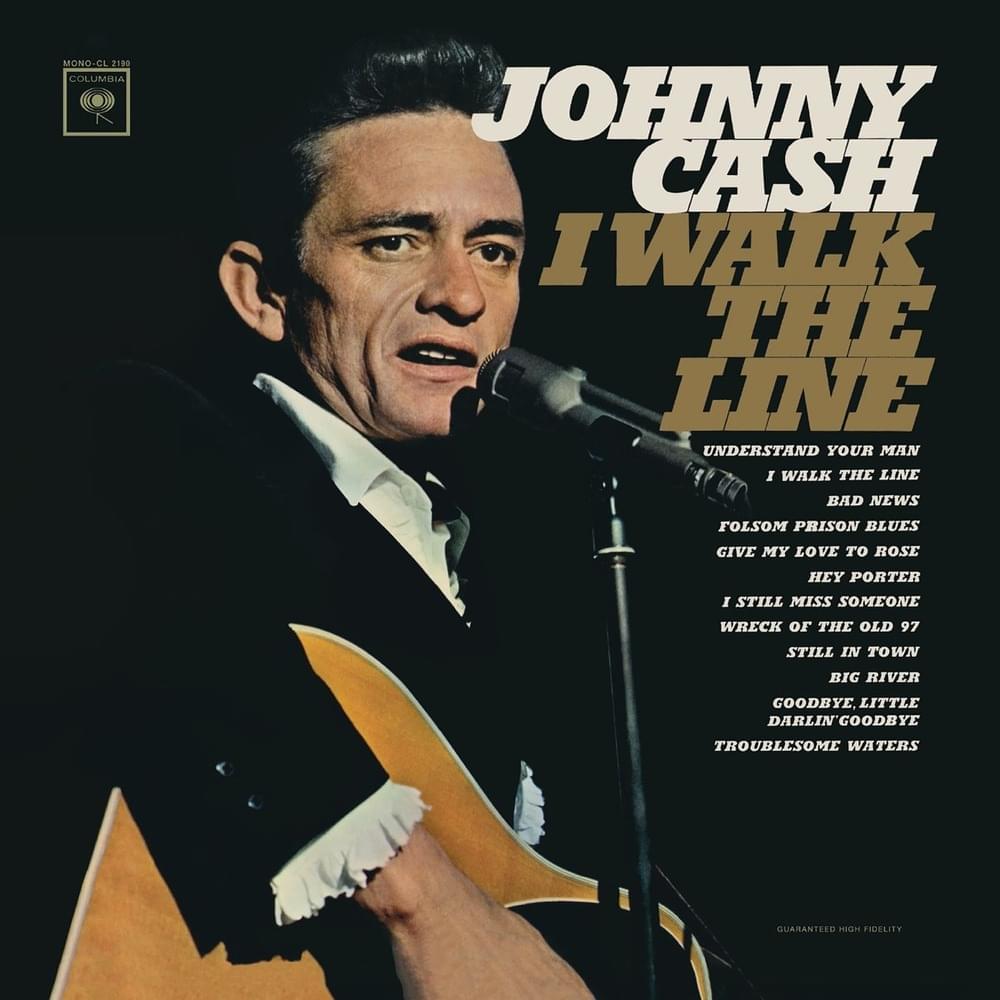
 View Artist