Song Meaning
Johnny Cash's "I Still Miss Someone" isn't just a country lament; it's a masterclass in the psychology of enduring loss. The song taps into the wellspring of grief, navigating the complex terrain of memory and the persistent ache of absence. Cash doesn't wallow in melodrama, but rather paints a stark, honest portrait of a man haunted by a past love. The falling leaves and cold wind in the opening verse immediately establish a setting of emotional desolation, mirroring the internal state of the narrator. Even amidst attempts at distraction – "I go out on a party / And look for a little fun" – the void remains, driving him to a "darkened corner." This isn't just sadness; it's an active avoidance, a subconscious retreat from a world that no longer aligns with his internal reality. The party becomes a stage for his private sorrow, highlighting the isolating nature of grief.
The recurring image of "those blue eyes" functions as a powerful trigger, a visual anchor to the lost relationship. It’s not merely a physical feature being mourned, but the entire emotional landscape associated with that gaze: intimacy, connection, and the promise of shared future. The repetition of "I still miss someone" isn't just a chorus; it's a mantra, a relentless echo of a pain that refuses to subside. It underscores the cyclical nature of grief, how memories and emotions can resurface unexpectedly, disrupting the present. The line "I wonder if she's sorry" introduces a layer of unresolved conflict, a yearning for validation or perhaps a desire to shift blame. It's a question born of vulnerability, a desperate attempt to make sense of the abandonment and the lingering pain.
Ultimately, "I Still Miss Someone" explores the enduring impact of lost love on the human psyche. Cash doesn't offer easy answers or trite platitudes about moving on. Instead, he confronts the listener with the uncomfortable truth that some wounds leave scars that never fully heal. The bittersweet acknowledgment that "There's someone for me somewhere" offers a glimmer of hope, but it's a hope tinged with the knowledge that the past will always cast a shadow. The song's power lies in its unflinching portrayal of the complexities of grief, its understanding that missing someone isn't a weakness, but a testament to the depth of human connection and the enduring power of love, even in its absence. It is a reminder that the emotional fingerprints of past relationships shape our present, coloring our experiences and influencing our expectations for future connections.
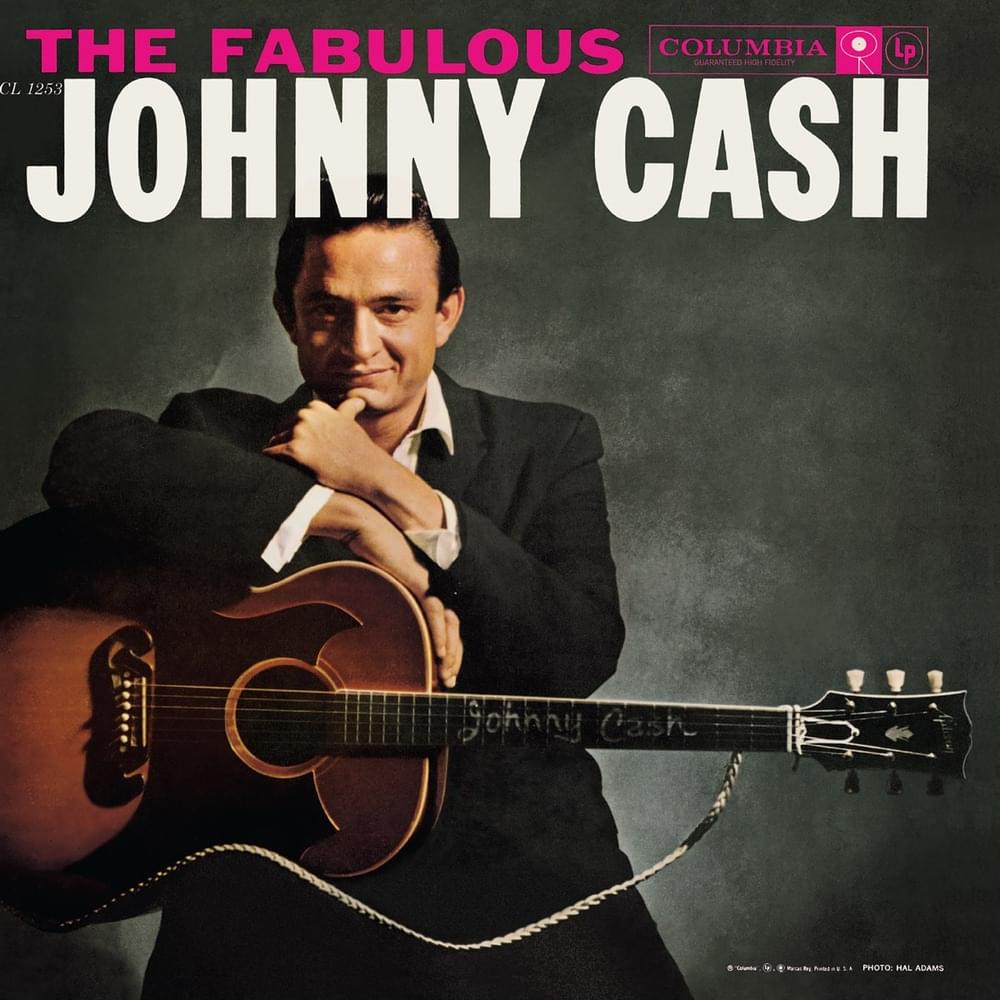
 View Artist