Song Meaning
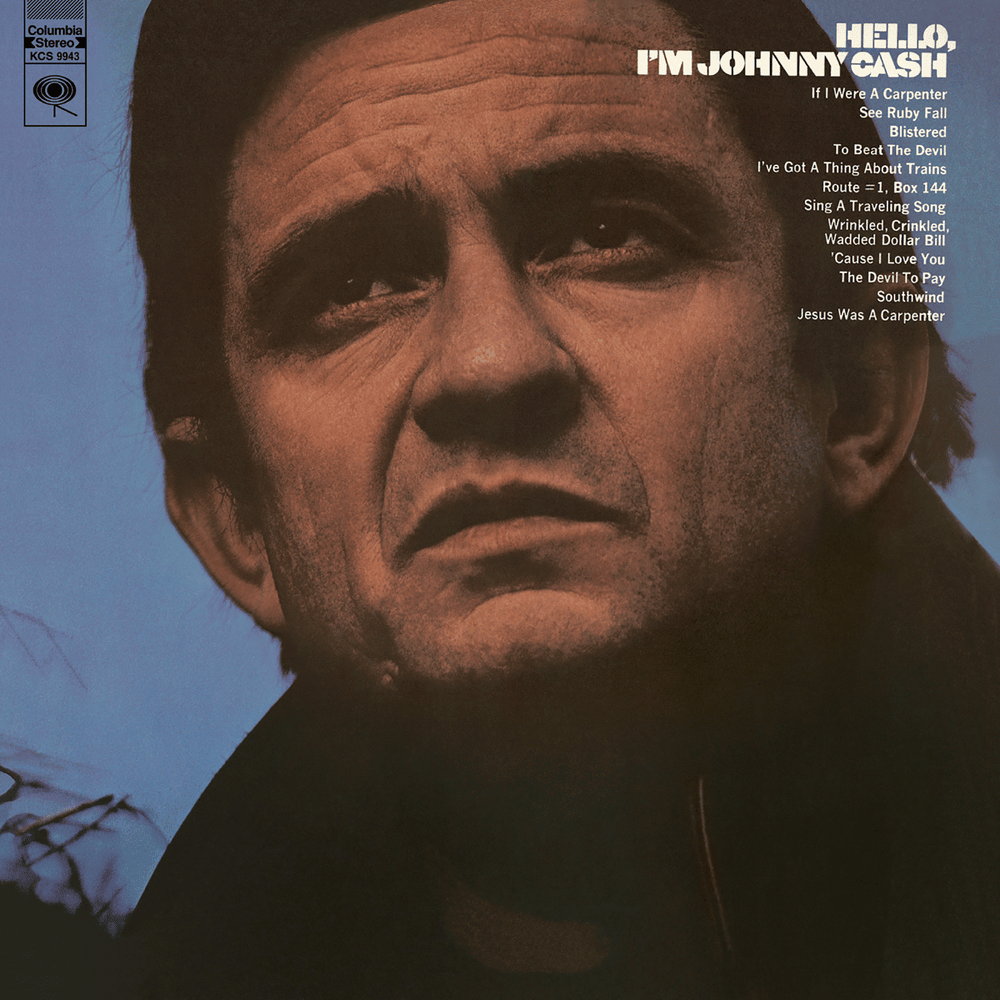
Johnny Cash's "Sing A Traveling Song" isn't just a country tune; it's a raw, unapologetic declaration of independence. It's the sound of a soul allergic to picket fences and mortgages, a man who finds solace not in roots but in routes. The lyrics paint a stark contrast between conventional love and the wanderer's spirit. Cash isn't cruel, but brutally honest with the "little girl" who dreams of a settled life. He acknowledges her vision of love – "friends, a child, and a home" – but dismisses it as something that can't be bought with a "twenty year loan." He understands her tears, but refuses to compromise his own truth. This isn't a love song; it's an anthem of self-preservation. The "traveling song" itself becomes a shield, a justification for his nomadic existence. It's the sound of boots hitting the road, leaving behind the potential for love in favor of the open horizon.
The core of the song meaning lies in the conflict between societal expectations and individual freedom. Cash's persona in the song knows that he can't offer the woman a traditional life. He recognizes the allure of stability, even acknowledging that "a tamer man" might someday offer her the security she craves. But he also understands that forcing himself into that mold would be a "cage," a betrayal of his own nature. This isn't simply about avoiding commitment; it's about recognizing a fundamental incompatibility. He's not rejecting the woman, but rather rejecting the idea that love necessitates conformity.
Ultimately, "Sing A Traveling Song" is a poignant exploration of choosing one's own path, even when it means sacrificing love and companionship. The repeated line, "The time has come to sing a traveling song," acts as a mantra, a reminder of his commitment to a life unbound. It's a bittersweet acknowledgment that what's right for some is not right for all, and that sometimes, the greatest act of love is letting go. The song resonates with anyone who has ever felt the pull of the open road, the yearning for something beyond the confines of a conventional life. It's a reminder that home isn't always a place, but a state of mind, and that for some, the only true home is the road itself.
 View Artist