Song Meaning
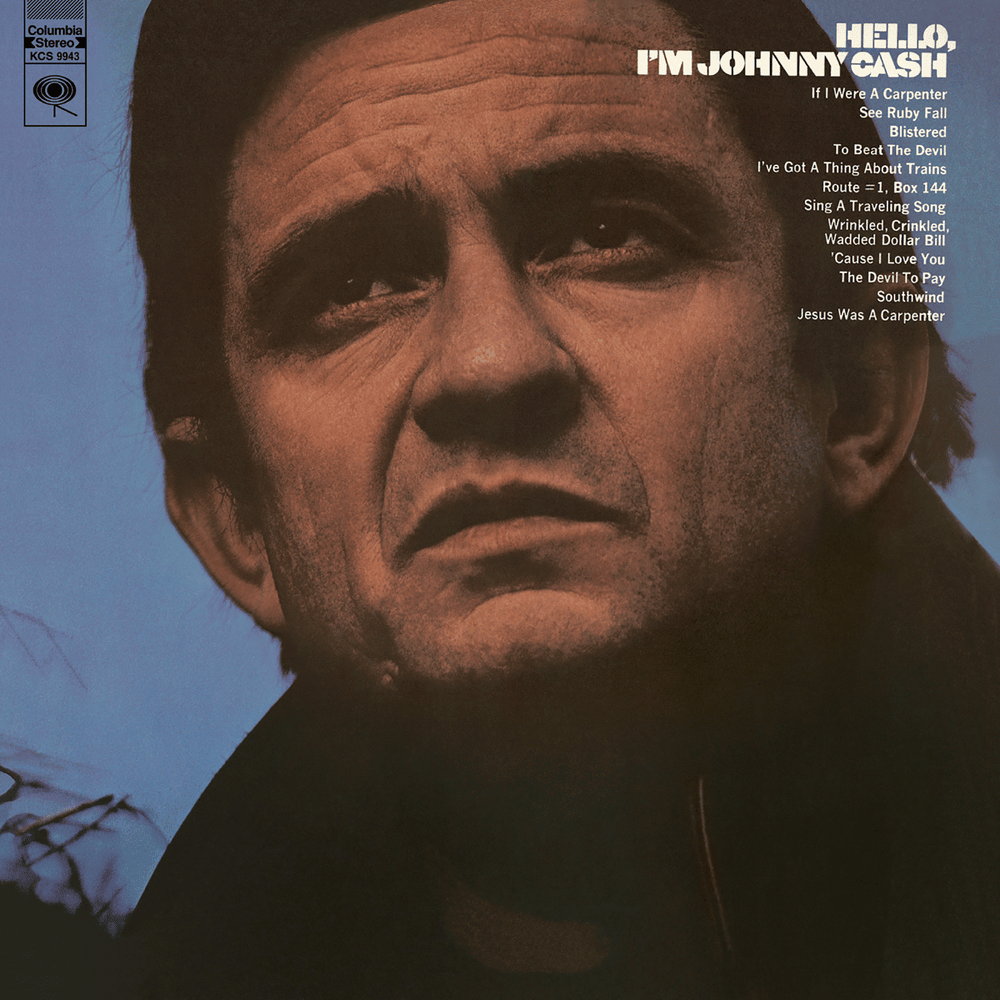
Johnny Cash's "I've Got a Thing About Trains" isn't just a country tune; it's a poignant meditation on loss, progress, and the bittersweet ache of nostalgia. The song meaning hinges on the train as a symbol—not just of transportation, but of a bygone era where life moved at a different rhythm. Cash isn't simply expressing affection for locomotives; he's lamenting the relentless march of time and the way it erodes familiar comforts. The "sad kind of feeling" he gets from seeing a passenger train speaks volumes about the human tendency to romanticize the past, even while acknowledging the inevitability of change. It's a melancholic reflection on what we sacrifice in the name of advancement. The train, once a vital artery of connection, becomes a ghost of its former self, a relic in a "fast moving world."
The lyrics subtly hint at a generational disconnect, adding another layer to the song's emotional depth. Cash anticipates a future where his son will only know trains as historical artifacts, prompting a sense of regret that the experience will be lost to time. The simplicity of the lyrics underscores the universality of the sentiment. It's a longing for a slower pace, a simpler time, a connection to something tangible in an increasingly digital world. The repetition of "Train train train" acts as a mournful echo, emphasizing the fading presence of these iron horses in the cultural landscape. It’s a gentle elegy for a world that’s slipping away.
Ultimately, “I’ve Got A Thing About Trains” resonates because it taps into a core human experience: the tension between embracing the future and cherishing the past. The song captures the quiet sadness of witnessing the slow disappearance of something beloved, something that once held significance. It's a reminder that progress often comes with a price, and that even as we move forward, it's important to acknowledge and mourn what we leave behind. Cash’s understated delivery amplifies the emotional weight of the lyrics, transforming a seemingly simple country song into a powerful statement about memory, change, and the enduring power of nostalgia.
 View Artist